Dollar Betting Sites in Ghana: USD Accounts, FX and MoMo Costs, and USDT as a Dollar Proxy
Plenty of Ghanaian punters would rather keep their betting balance in dollars. The reasoning makes sense: you've watched the cedi swing up and down over the years, and a balance in USD feels steadier. My brother, betting in dollars can work, but every time money crosses from cedis to dollars and back, somebody takes a slice. This guide shows you where those slices are, how big they get, and how USDT fits in as a "digital dollar" that a lot of people now use.
18+ only. Rates and fees here are worked examples, not live quotes. Cloudbet, the crypto sportsbook we link to, lets you hold a balance in USDT and other coins; it holds a Curaçao licence and is not licensed by the Gaming Commission of Ghana. Locally licensed bookmakers generally run accounts in cedis.
18+. Crypto deposits. Cloudbet is licensed in Curaçao, not by the Gaming Commission of Ghana. Ad: we may earn a commission. Bet only what you can afford to lose.
What people mean by "dollar betting sites"
The phrase gets used for three quite different things, so let's separate them first:
- International sportsbooks with USD accounts. Offshore books that let you open an account denominated in US dollars, funded by card, e-wallet or bank transfer.
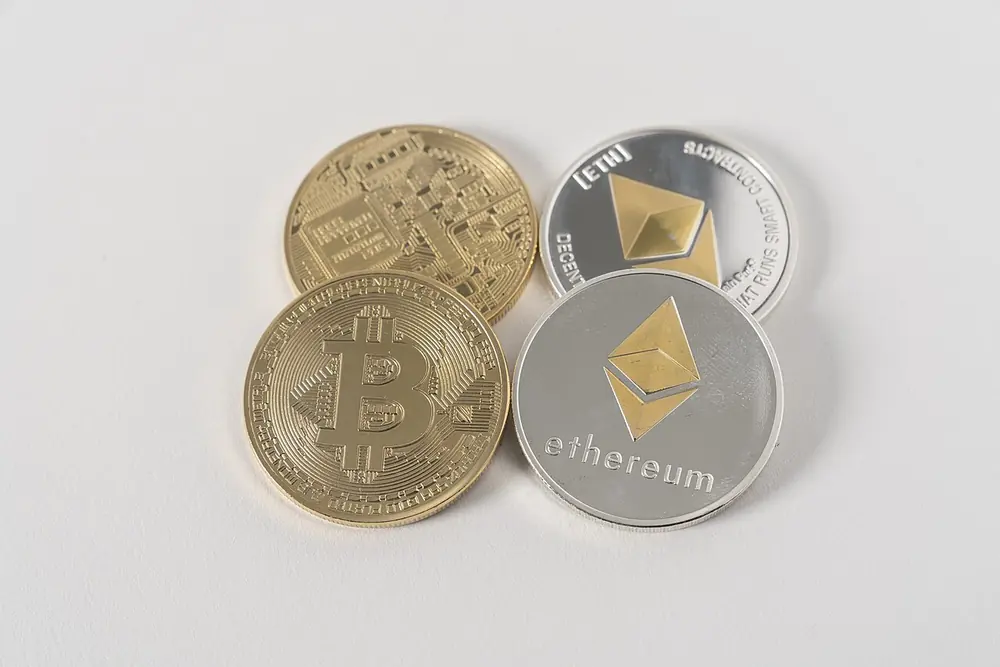
- Crypto sportsbooks with stablecoin balances. Sites like Cloudbet where you can hold your balance in USDT or USDC, coins designed to track the US dollar one-to-one. Stakes and odds can be shown in USD equivalents.
- Local bookies showing dollar promos. Sometimes a Ghanaian site advertises jackpots or bonuses in dollar terms even though your account runs in cedis. That's marketing, not a dollar account.
Locally licensed operators in Ghana run cedi accounts and pay out to MoMo or Ghanaian bank accounts in cedis. So if you specifically want a dollar balance, you're almost always looking at an offshore book, which means no Gaming Commission licence and no local regulator to complain to. That's the first trade-off to accept or reject.
Why punters want a dollar balance
- Currency swings. The cedi lost a big chunk of its value in 2022 and then strengthened sharply in parts of 2025. A dollar balance doesn't move with those swings, at least not in dollar terms.
- Odds and limits on international books. Some offshore books offer markets, limits or prices that local apps don't.
- Earnings already in dollars. Freelancers, remote workers and people receiving remittances sometimes hold USD or USDT already, and converting to cedis just to bet feels wasteful.
All fair reasons. But "steadier" cuts both ways, which we'll get to in the currency risk section.
The hidden cost: the FX spread
Whenever you change cedis to dollars, the rate you receive is worse than the mid-market rate you see on Google. The gap is the spread, and on top of it there may be fees. Here's where it hides on each route:
| Route | Where the cost is | Typical pattern |
|---|---|---|
| Ghanaian Visa/Mastercard debit card on a USD site | Bank's conversion rate plus possible foreign transaction fee | Often a few percent over mid-market; some banks block gambling merchants |
| Dollar-denominated bank account or USD card | Cost of buying the dollars in the first place | Spread at the bank or forex bureau |
| MoMo → exchange → USDT | Peer-to-peer or exchange rate vs mid-market, plus withdrawal network fee | Usually 1–4% depending on platform and timing |
| Forex bureau cash then deposit | Bureau buy/sell spread | Varies by bureau and amount; impractical for betting deposits |
The point isn't the exact percentages, which change constantly. It's that you pay this cost twice: once going in, once coming back out. A 2% spread each way is a 4% round trip, which is as much as the bookmaker's own margin on a good football market.
A worked round trip in cedis
Let's say you want to bet the equivalent of GH₵1,000 through a USDT balance. Assume a mid-market rate of GH₵12 to US$1 just to keep the arithmetic easy (always check the real rate on the day).
| Step | What happens | Running balance |
|---|---|---|
| 1. Start | GH₵1,000 in your MoMo wallet | GH₵1,000 |
| 2. Buy USDT peer-to-peer | You pay 2% above mid-market (GH₵12.24 per USDT) | about 81.7 USDT |
| 3. Withdraw to betting site | Network fee, say 1 USDT on a low-fee chain | about 80.7 USDT |
| 4. Bet and break even | No win, no loss, for illustration | 80.7 USDT |
| 5. Withdraw from site | Withdrawal fee, say 1 USDT | about 79.7 USDT |
| 6. Sell USDT peer-to-peer | You receive 2% below mid-market (GH₵11.76 per USDT) | about GH₵937 |
Without placing a single losing bet, about GH₵63 of your GH₵1,000, roughly 6%, has gone to conversion and fees. On a small deposit of GH₵200, the fixed network fees bite even harder, so the percentage lost is much bigger. On larger amounts the fixed part shrinks in percentage terms but the spread remains.
Lesson: if you bet in dollars, move money in bigger, less frequent chunks, and leave winnings in USDT between sessions rather than converting every time.
USDT as a dollar proxy: how it works
USDT (Tether) is a stablecoin: a crypto token designed to stay at one US dollar. For a Ghanaian bettor it acts like a dollar account you control yourself, without needing a Ghanaian bank to issue you dollars. A typical flow looks like this:
- Buy USDT on a reputable exchange using cedis, often through its peer-to-peer marketplace where you pay a seller by MoMo and the exchange releases the USDT to you.
- Send it from the exchange to your sportsbook deposit address on the same network the sportsbook shows.
- Bet in USDT. Your balance stays in dollar terms while you play.
- Withdraw back to your exchange wallet and either hold USDT or sell for cedis to MoMo.
Choosing the network
USDT exists on several blockchains. The token is the same dollar value, but fees and speed differ, and sending on the wrong network can lose your funds.
| Network | Fee level | Notes |
|---|---|---|
| TRON (TRC-20) | Low | Very common for P2P traders in West Africa |
| Ethereum (ERC-20) | Can be high | Fees spike when the network is busy; poor for small deposits |
| Other low-fee chains | Low | Only if both exchange and sportsbook support the same chain |
The golden rule: the network you send on must match the network of the deposit address. Copy the address with the copy button, check the first and last characters, and send a small test amount first.
USDT risks to understand
- Stablecoins can wobble. USDT has held close to US$1 for years, but a stablecoin depends on its issuer's reserves. It's not a bank deposit and has no deposit insurance.
- Peer-to-peer scams. Fake payment screenshots and reversed payments are common. Use the exchange's escrow, never release coins before money lands in your wallet, and never trade outside the platform.
- Your wallet, your responsibility. A wrong address or wrong network usually can't be reversed.
- Regulation is evolving. Ghana's authorities have been working on rules for virtual assets, so platform access and requirements can change. Keep records of your trades.
Currency risk: "steadier" works both ways
Holding your bankroll in dollars protects you if the cedi weakens. If the cedi strengthens, though, your dollar balance buys fewer cedis when you cash out. Here's the simple effect on a US$100 balance:
| Exchange rate when you cash out | US$100 is worth |
|---|---|
| GH₵10 per US$1 | GH₵1,000 |
| GH₵12 per US$1 | GH₵1,200 |
| GH₵15 per US$1 | GH₵1,500 |
So betting in dollars isn't just betting on football. You're also, quietly, holding a position on the cedi. If your rent, chop money and transport are all in cedis, a cedi balance with a licensed local bookmaker might actually be the less risky choice for small, regular betting.
Odds in dollars: does the currency change the price?
No. Decimal odds are the same whatever currency you stake. A 2.10 price pays 2.10 times your stake whether you bet GH₵50 or US$5. What changes is the stake sizing in your head. US$10 feels small, but at GH₵12 to the dollar it's GH₵120. Many people bet bigger than they intended on dollar sites because the numbers look smaller. Before you place bets, decide your stake in cedis and convert it, not the other way round.
Also check minimum bets and minimum withdrawals in dollars. A US$20 minimum withdrawal plus a fee can trap small winnings in your account.
Cards and banks: why dollar deposits get declined
If you try to deposit to an offshore dollar site with a Ghanaian card, you may see declines. Banks apply their own rules on gambling merchants and on foreign currency transactions, and card schemes classify betting transactions with a specific merchant code that some issuers block entirely. Even when it works, the bank's conversion rate and any foreign transaction fee may be worse than you expect. Read your bank statement carefully after the first transaction to see the real rate you were charged.
Never use someone else's card or account to deposit, and never let an "agent" deposit for you. Betting sites usually require the payment method to be in your own name, and mismatches can lead to frozen balances.
18+. Crypto deposits. Cloudbet is licensed in Curaçao, not by the Gaming Commission of Ghana. Ad: we may earn a commission. Bet only what you can afford to lose.
A weekend in USDT: how the numbers feel in practice
Here's an invented example of how a typical punter, call him Yaw, might use a USDT balance across a weekend, and what it teaches.
Yaw moves 100 USDT onto a crypto sportsbook on Friday evening. He decides beforehand that each bet should be worth about GH₵60, which at GH₵12 to the dollar is 5 USDT. On Saturday he places four singles on EPL matches at 5 USDT each: two win at around 2.00, two lose. He's up to roughly 100 USDT again. On Sunday he gets carried away watching a late match, puts 20 USDT on a live bet "because it's only twenty dollars", and loses it. In cedis that was a GH₵240 bet, four times his own rule.
The lesson isn't that dollar betting is bad. It's that the smaller-looking numbers make it easy to forget what you're risking. Writing your stake rule in both currencies on a sticky note, or in the notes app beside the sportsbook, sounds childish but it works.
Bonuses quoted in dollars
Offshore and crypto books often quote welcome offers and reloads in dollar terms: "up to $2,500", "$50 in free bets". Treat them with the same suspicion you'd give any promo. Convert the headline into cedis, then find the rollover, the minimum odds, the expiry and the win cap. A bonus that requires you to wager thirty or forty times the amount before withdrawal is a commitment of thousands of dollars in bets, and every one of those bets carries margin. Read our separate notes on free bet maths before claiming anything big.
Also check whether bonuses are paid in the same coin as your deposit. Some books credit bonuses in a different token or in an internal currency, which adds another conversion step when you withdraw.
Verification: when a dollar site asks for documents
Many people choose crypto books thinking they'll never be asked for ID. In practice most reputable operators reserve the right to verify you, and often do so when you withdraw a large amount, when your activity looks unusual, or when the law in their licensing jurisdiction requires it. Plan for that:
- Register with your real name and date of birth. Fake details are the fastest way to lose a winning balance.
- Keep a clear photo of your Ghana Card or passport and a recent proof of address ready.
- Keep records of where your crypto came from (exchange trade history), as some sites ask for source of funds on larger withdrawals.
- Read the site's terms on which countries it accepts. If an operator's terms exclude a country, accounts from there can be closed.
A checklist before you deposit at any dollar site
- Where is it licensed, and does it accept players from Ghana in its terms?
- Which currencies and USDT networks does it support for deposit and withdrawal?
- What are the minimum deposit, minimum withdrawal and any fees?
- When does verification kick in?
- Is there a maximum payout per bet or per day?
- Does it offer deposit limits, time-outs and self-exclusion?
- How quickly does support answer a simple question before you've paid anything?
If you can't find clear answers to most of these within a few minutes on the site, take that as your answer.
Comparing your options side by side
| Local licensed bookie (cedis) | Offshore USD account | Crypto book with USDT | |
|---|---|---|---|
| Licensed by Gaming Commission | Yes, if on the list | No | No |
| Deposit method | MoMo, bank | Card, e-wallet | USDT/crypto |
| FX cost | None | Bank conversion each way | P2P/exchange spread each way |
| Currency exposure | Cedi | Dollar | Dollar (via stablecoin) |
| Local complaint route | Yes | No | No |
| Withdrawal speed | Often same day to MoMo | Days, depends on method | Minutes to hours on-chain, plus P2P time |
Practical tips if you choose to bet in dollars
- Check the rate you actually get, not the headline rate, on every conversion.
- Move money in fewer, larger transfers to keep fixed fees low as a share.
- Keep winnings in USDT between sessions rather than converting back every week.
- Use a low-fee network both sides support, and test with a small amount.
- Set your stake in cedis first, then convert, so you don't oversize bets.
- Read the site's withdrawal minimums, fees and verification triggers before depositing.
- Keep a simple record: date, cedis in, USDT received, USDT out, cedis received. It shows your real cost.
Stay in control
Dollar balances and crypto can make betting feel abstract, and abstract money is easy to overspend. Set a weekly limit in cedis and stick to it, and don't chase losses by topping up again. If betting stops being fun, talk to someone: the Mental Health Authority's toll-free lines, 0800 678 678 and 0800 454 545, are free and confidential.
My take
Dollar betting sites in Ghana are really offshore books with USD accounts or crypto books with USDT balances, and none of them is licensed by the Gaming Commission. USDT on a low-fee network is the most practical way to get a dollar balance, but the conversion costs going in and out can easily take 4–6% of small deposits, and holding dollars means you carry cedi currency risk in both directions. If you already earn or hold dollars, a USDT balance on a book like Cloudbet can make sense. If everything in your life is in cedis, a licensed local bookmaker with MoMo payouts may be cheaper and safer for everyday betting.
Questions punters ask
Can I bet in US dollars from Ghana?
Locally licensed bookmakers run cedi accounts. Dollar balances are usually offered by offshore books or crypto sportsbooks using USDT, which are not licensed by the Gaming Commission of Ghana.
Is USDT the same as a dollar?
It's a stablecoin designed to track US$1, and it has done so closely, but it isn't a bank deposit and has no deposit insurance.
How much does converting cedis to USDT and back cost?
It depends on the platform and day, but spreads of 1–4% each way plus network and withdrawal fees are common, so a round trip can take around 4–6% of a small deposit.
Which USDT network should I use?
A low-fee network like TRON is common, but the network you send on must match the sportsbook's deposit address network.
Is Cloudbet licensed in Ghana?
No. Cloudbet holds a Curaçao licence and is not licensed by the Gaming Commission of Ghana.
Where can I get help with gambling in Ghana?
Call the Mental Health Authority toll-free on 0800 678 678 or 0800 454 545.
18+. Crypto deposits. Cloudbet is licensed in Curaçao, not by the Gaming Commission of Ghana. Ad: we may earn a commission. Bet only what you can afford to lose.
If betting is causing you stress or money trouble, help is free. The Mental Health Authority's toll-free line is 0800 678 678. For self-exclusion or complaints about a licensed operator, call the Gaming Commission of Ghana toll-free on 0800 454 545 (or 027 469 8935). Source: gamingcommission.gov.gh.