No KYC Casino for Real Money: What Ghanaian Players Should Know About Games, Odds, Withdrawals and Verification
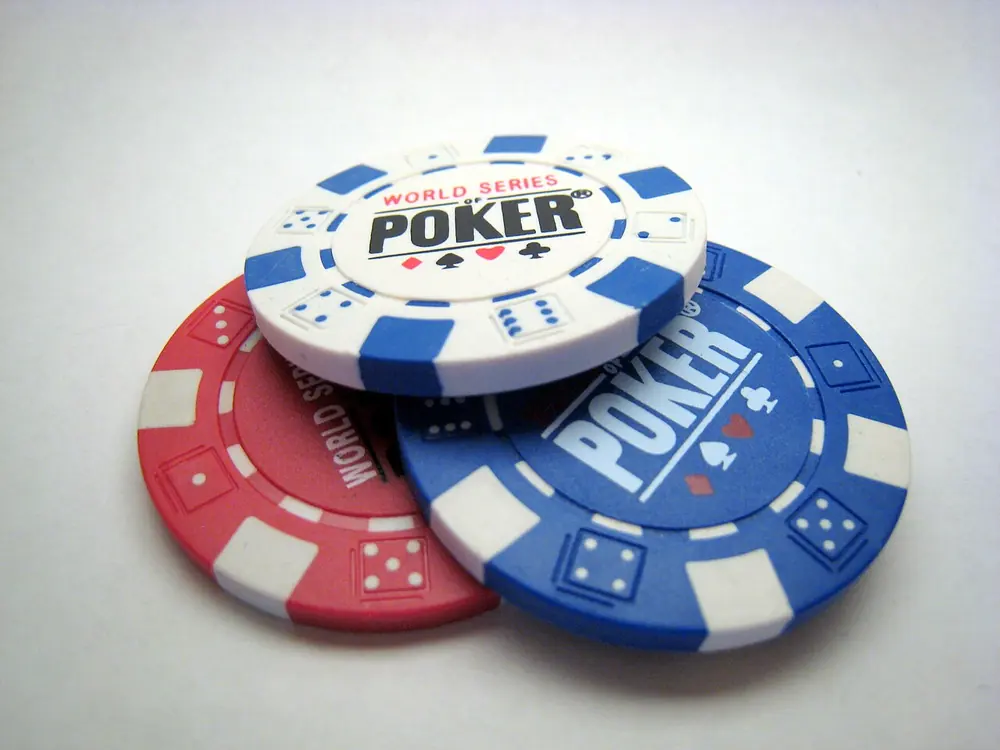
"No KYC casino, real money, instant play." That search usually comes from someone who wants to play proper cash games, not demo mode, without a pile of paperwork first. My brother, I understand the appeal. But real money changes everything: the moment actual cedis or USDT are on the line, you need to know how the games are built, what you can expect to lose, and exactly when that "no KYC" promise stops applying. This is the full picture, from someone who'd rather you keep your money.
This is an explainer, not a way around identity checks. I won't show anyone how to avoid verification; that's how winnings get voided. 18+ only. Cloudbet, the crypto casino we link to, holds a Curaçao licence and is not licensed by the Gaming Commission of Ghana. Casino gaming in Ghana is licensed by the Gaming Commission under the Gaming Act, 2006 (Act 721), and offshore sites sit outside that system.
18+. Crypto deposits. Cloudbet is licensed in Curaçao, not by the Gaming Commission of Ghana. Ad: we may earn a commission. Bet only what you can afford to lose.
Real money vs play money: the difference that matters
Most casinos let you try games in demo mode with fake credits. Demo mode is useful for learning how a slot's features work or how blackjack decisions play out. But a real-money session is a different animal for three reasons:
- The house edge now costs you actual money. Every game is built so that, over time, the casino keeps a slice of every cedi wagered.
- Your emotions change. Losing fake credits feels like nothing. Losing your transport money for the week feels like something, and that's when people chase.
- Withdrawals bring verification into play. A demo balance never needs paying out. A real balance does, and paying out is exactly when operators check who you are.
So when someone searches for a no-KYC casino for real money, what they're really asking is: "Can I deposit, play and withdraw real money without documents?" The honest answer is: you can usually deposit and play without documents at the start. Withdrawing larger amounts is a different story.
What "no KYC" means at a real-money crypto casino
KYC means "know your customer": checking your identity, age and address, and sometimes where your money came from. Licensed casinos almost everywhere must do it, because of anti-money-laundering laws and to keep minors out. "No KYC" casinos are usually crypto casinos that let you open an account with just an email or a wallet, and delay document checks until later.
| Stage | What most "no KYC" crypto casinos do |
|---|---|
| Sign-up | Email and password, sometimes just a wallet connection |
| Small deposits | No documents requested |
| Playing | Full access to games |
| Small withdrawals | Often processed without documents |
| Reaching a deposit or withdrawal threshold | Documents required |
| Anything suspicious, or a big win | Documents can be required at any time |
Cloudbet is a good example of how this is written down: its terms require verification once cumulative deposits reach US$2,200, and reserve the right to ask for documents at any time. Some casinos don't publish a threshold at all, which in practice means they'll ask whenever they want. That's worse, not better, because you can't plan for it.
How a real-money casino makes its money
A casino doesn't need you to lose on every bet. It just needs every game to pay back slightly less than it takes in, on average, over millions of rounds. That built-in edge comes in two names:
- RTP (return to player): the share of all money wagered that a game pays back over the long run. A slot with 96% RTP pays back GH₵96 for every GH₵100 wagered, on average, over a very large number of spins.
- House edge: the flip side. 100% minus RTP. A 96% RTP slot has a 4% house edge.
The key phrase is "over the long run". In one evening anything can happen: you might double your money or lose it all. But the more you play, the closer your results drift towards the house edge. Real-money casino play is entertainment you pay for, and the house edge is the price.
House edge by game: a real-money cheat sheet
| Game | Typical house edge | Notes |
|---|---|---|
| Blackjack (good rules, basic strategy) | Around 0.5% | Edge rises sharply if you play by gut feeling |
| Baccarat (banker bet) | About 1.06% | Player bet about 1.24%; tie bet much worse |
| European roulette (single zero) | 2.70% | Same on almost every bet |
| American roulette (double zero) | 5.26% | Avoid when a single-zero table is available |
| Video poker (full-pay, perfect play) | Under 1% on some games | Paytables vary a lot |
| Slots | Often 2–8%, sometimes more | Check each game's RTP in its info screen |
| Crash / multiplier games | Commonly 1–3% | Fast rounds mean the edge bites quickly |
| Dice / "originals" | Often 1% | Usually shown on the game screen |
| Game shows (live wheels) | Often 3–8% | Fun, but the edge varies by bet |
| Keno | Can exceed 10% | One of the worst-value options |
These figures are typical ranges, not promises for a specific casino. Many slots offer different RTP versions to casinos, so the same title can pay 96% at one site and 94% at another. Always open the info or help screen inside the game to see the RTP that site actually runs.
Turning the house edge into cedis
Here's the bit almost nobody explains. Your expected loss isn't based on how much you deposit. It's based on how much you wager, and with fast games you wager your deposit many times over.
Say you deposit the equivalent of GH₵500 and play a 96% RTP slot at GH₵5 per spin. If you spin 600 times in an evening (about an hour of fast play), you've wagered GH₵3,000. At a 4% edge, your expected loss is GH₵120. Not GH₵20. GH₵120.
| Game & edge | Stake per round | Rounds per hour | Wagered per hour | Expected loss per hour |
|---|---|---|---|---|
| Slot, 4% | GH₵5 | 600 | GH₵3,000 | GH₵120 |
| European roulette, 2.7% | GH₵20 | 40 (live) | GH₵800 | GH₵21.60 |
| Blackjack basic strategy, 0.5% | GH₵20 | 60 | GH₵1,200 | GH₵6 |
| Crash game, 1% | GH₵10 | 200 | GH₵2,000 | GH₵20 |
| Keno, 10%+ | GH₵10 | 100 | GH₵1,000 | GH₵100+ |
Speed matters as much as edge. A low-edge game played at lightning pace can cost more per hour than a higher-edge game played slowly. This is why live dealer tables, with their natural pauses, often cost less per hour than automated slots, even with a similar edge.
Volatility: why real money feels so different from the maths
Two games can have the same RTP and feel completely different. That's volatility (also called variance).
- Low volatility: frequent small wins, few big ones. Your balance moves slowly. Good for longer sessions on a small budget.
- High volatility: long dry spells broken by occasional large hits. Your balance can drop to zero fast, or spike. Many popular "bonus buy" and megaways slots are high volatility.
For real-money play on a modest budget, high-volatility slots are where people burn through deposits in minutes and then chase. If you choose them, lower your stake so your budget can survive the dry spells. A useful rule of thumb: on high-volatility slots, your session budget should cover at least 200 spins at your chosen stake.
Provably fair: how crypto casinos prove results aren't rigged
Many crypto casinos offer "provably fair" games, mostly their in-house originals like dice, crash, plinko and mines. The idea is clever:
- Before you play, the casino commits to a secret "server seed" by showing you a scrambled version of it (a hash).
- You provide or are given a "client seed", and each bet adds a counter called a nonce.
- The result of each round is calculated from those three inputs.
- After you change seeds, the casino reveals the original server seed, and you can check that it matches the hash and that every result was calculated correctly.
What provably fair proves: the casino didn't change the result of a round after you bet. What it doesn't prove: that the house edge is low, that the casino will pay your withdrawal, or that it is licensed anywhere. A provably fair game with a 3% edge still takes 3% over time. Slots and live tables from big studios usually aren't provably fair in this way; they rely on testing labs and licence conditions instead.
Real-money games at crypto casinos: a tour
Slots
The biggest category by far. Crypto casinos often carry thousands of slots from major studios. Check RTP per game, play lower stakes on high-volatility titles, and be careful with "bonus buy" features: buying a bonus round for 100x your stake gives you the feature instantly, but it burns money fast and some regulators have banned it for that reason.
Live dealer tables
Real dealers streamed from studios, playing blackjack, roulette, baccarat and game shows. Slower, social and often lower cost per hour. Minimum stakes can be higher than slots.
Table games (RNG)
Digital blackjack, roulette and baccarat run by a random number generator. Fast and often low minimums. Check the rules: blackjack paying 6:5 instead of 3:2 on a natural is a much worse game.
Crash games
A multiplier climbs from 1x and "crashes" at a random point. Cash out before the crash and you win your stake times the multiplier. They're hugely popular in Ghana and Nigeria because they're quick and feel like skill. They aren't skill: the crash point is random, and the edge is built in. The speed is the danger.
Dice, plinko, mines and other originals
In-house provably fair games with simple rules and usually clearly stated edges. Same warning about speed and autoplay.
Poker
Some crypto sites run poker rooms where you play against other players and the site takes a rake. Unlike other casino games, skilled players can win over time, but most recreational players don't, and the rake is the site's guaranteed income.
Real-money blackjack: the one place your decisions matter
If you want the best real-money value at a casino, blackjack with basic strategy is it. Basic strategy is a chart that tells you the mathematically best decision for every combination of your hand and the dealer's up card. Using it brings the edge down to around half a percent on good rules. Playing by feel can push it to 2% or worse.
Rules that help you: blackjack pays 3:2; dealer stands on soft 17; double after split allowed; fewer decks. Rules that hurt: 6:5 blackjack payout; dealer hits soft 17; no doubling after split; continuous shuffling makes card counting irrelevant (which online it always is anyway). Side bets like "21+3" or "perfect pairs" usually carry much higher edges than the main game.
Real-money roulette: pick the wheel, not the system
European roulette has one zero and a 2.7% edge. American roulette has two zeros and a 5.26% edge. Some live tables offer "La Partage" or "En Prison" rules on even-money bets, which halves the edge on those bets to about 1.35%. That's the single biggest decision you can make at a roulette table.
What doesn't help: betting systems. Martingale (doubling after a loss), Fibonacci, D'Alembert and the rest change the shape of your results, not the edge. Martingale in particular produces lots of small wins and occasional catastrophic losses when you hit the table limit or run out of money. Plenty of Ghanaian punters have learned that one the hard way.
Withdrawals: where "no KYC" meets reality
Deposits are easy everywhere. Withdrawals are where casinos show their true character, and where verification really happens. Here's how a real-money withdrawal usually plays out at a crypto casino:
- You request a withdrawal and choose the coin and network.
- The casino's system checks your account: deposit history, bonus status, wagering completed, any flags.
- Small, clean withdrawals often go through automatically within minutes to a few hours.
- Larger withdrawals, first withdrawals, or ones after a big win may be held for manual review.
- Manual review may include a request for documents, even if you never uploaded any before.
- Once approved, the coins are sent on-chain and arrive after network confirmations.
The things that most often slow real-money withdrawals down:
| Cause | What you can do |
|---|---|
| Unfinished bonus wagering | Check bonus status before requesting; or play without bonuses |
| Withdrawal above daily or weekly limits | Read the limits; split across days if needed |
| Cumulative deposits past the verification threshold | Have your documents ready |
| Withdrawal to a different coin than deposited | Some casinos require you to withdraw in the deposit currency |
| Account details that don't match documents | Register with your true details from the start |
| Big win on a single game | Expect a game-round review; it's normal |
The real-money verification trap, explained plainly
Here's the pattern I see over and over. Someone picks a casino because it says "no KYC". They sign up with a fake name or a made-up birthday "for privacy". They play small, deposit small, withdraw small, and everything's fine. Then one night a slot hits big. They request a withdrawal, the casino asks for ID, and the name on the account doesn't match the name on the ID. Under the terms, the casino can void winnings, return only deposits, or close the account. That's not the casino being evil; it's in the rules they agreed to.
The solution is boring: use your real name, date of birth and address from day one. You don't have to upload anything until you're asked. But when you are asked, everything lines up.
Getting real money in: cedis to crypto
Most real-money players in Ghana fund a crypto casino the same way: buy a stablecoin with cedis, then send it to the casino's deposit address.
| Step | What to do | Common mistake |
|---|---|---|
| 1. Buy USDT | Use a reputable exchange's escrowed P2P with MoMo, or a local crypto service with a good track record | Paying a stranger on WhatsApp |
| 2. Get the casino address | Copy it fresh from the cashier, note the network | Reusing an old address or the wrong network |
| 3. Withdraw from the exchange | Select the exact same network; send a small test first | Typing the address by hand |
| 4. Wait for confirmations | Usually minutes | Panicking and sending again |
| 5. Record it | Save the transaction hash | No record if something goes wrong |
One thing to absorb: the exchange you bought from almost certainly verified you. So even at a "no KYC" casino, your money's trail starts with your identity. That's not a reason to worry; it's a reason to keep everything honest and documented.
The true cost of a real-money crypto session
Your casino costs aren't just the house edge. Add the on-ramp and off-ramp:
| Cost | Typical size |
|---|---|
| P2P buy spread (cedis to USDT) | Often 1–3% above market rate |
| Network fee to send to casino | Small on low-fee chains; can be large on busy ones |
| House edge on the games you play | See the cheat sheet above, multiplied by how much you wager |
| Network fee to withdraw | Small, sometimes charged by the casino |
| P2P sell spread (USDT to cedis) | Often 1–3% below market rate |
For a GH₵500 session, the on- and off-ramp alone can cost GH₵15 to GH₵30. If you're playing small, that matters. It's one reason to deposit less often and keep stakes sensible, rather than topping up repeatedly.
Bonuses at real-money crypto casinos
Crypto casinos compete hard with welcome packages, reload bonuses, free spins, cashback and rakeback. For real-money players, here's how to read them:
- Match bonuses ("100% up to...") add bonus money that must be wagered many times. If a GH₵500 bonus has 40x wagering, you must wager GH₵20,000. At a 4% edge, that costs about GH₵800 on average. The bonus is worth less than nothing unless the terms are unusually kind.
- Free spins usually turn winnings into bonus money with wagering attached.
- Cashback returns a slice of net losses, sometimes as real money. Usually fairer than match bonuses.
- Rakeback returns a percentage of the house edge on everything you wager, often with no wagering requirement. For regular players this tends to be the most honest reward.
Bonus claims are also one of the biggest verification triggers, because casinos fight people who open many accounts to claim the same offer. If you want to keep things simple, real-money play without bonuses is perfectly reasonable.
Responsible gambling tools you should actually use
Good crypto casinos offer the same tools licensed casinos do. Find them before you deposit, not after a bad night:
- Deposit limits: daily, weekly or monthly caps.
- Loss limits: stop once you've lost a set amount.
- Session reminders: pop-ups that tell you how long you've played.
- Cool-off periods: lock your account for a day, a week or a month.
- Self-exclusion: close your account for six months or longer.
Here's an uncomfortable truth: some people look for no-KYC casinos specifically because they've self-excluded somewhere else. If that's you, please pause. Self-exclusion exists because, at some point, you decided you needed it. Getting around it rarely ends well.
Ghana's casino rules in plain language
The Gaming Commission of Ghana licenses and regulates casinos, sports betting and other gaming under the Gaming Act, 2006 (Act 721). Licensed operators must verify players, keep under-18s out, follow advertising rules, pay their taxes on gross gaming revenue and provide responsible gambling measures. Ghana also has physical casinos, mostly in Accra, licensed under the same system.
Offshore crypto casinos aren't licensed by the Commission. That means:
- The Commission can't take up your complaint against an offshore casino.
- Your protection depends on the casino's foreign licence and reputation.
- Advertising and responsible gambling standards may differ from Ghana's.
The Bank of Ghana has also warned the public about the risks of cryptocurrencies, which aren't legal tender in Ghana, and the Virtual Asset Service Providers Act, 2025 (Act 1154) now sets up registration and licensing for crypto platforms serving Ghana, with licensing still being rolled out. Keep an eye on official announcements, because rules for crypto and for online gaming can change.
On tax: the 10% withholding tax on gambling winnings at licensed operators was abolished from 2 April 2025. Offshore casinos never deducted it. Whether large or regular winnings affect your personal income tax is a separate question for a tax professional.
Licensed Ghanaian casino vs offshore crypto casino
| Gaming Commission-licensed operator | Offshore crypto casino | |
|---|---|---|
| Identity checks | Required early | Usually delayed to a threshold or withdrawal |
| Payment | Cedis, MoMo, cards, bank | Crypto; cedis via an exchange first |
| Game selection | Varies; often smaller online | Often very large |
| Complaints | Gaming Commission of Ghana | Foreign licensing body (e.g. Curaçao) |
| Responsible gambling rules | Set by the Commission | Set by the operator and its licence |
| Round-trip payment cost | Usually low | Exchange spreads and network fees |
What a Curaçao licence means for real-money players
Many crypto casinos, Cloudbet included, are licensed in Curaçao. Curaçao reformed its licensing system in stages: its Gaming Control Board began issuing direct licences in September 2023, and a new law (the LOK) took effect in December 2024, ending the old master-licence system and creating the Curaçao Gaming Authority, with stricter rules, including on customer verification, responsible gambling and dispute handling. For a player in Ghana, that gives you a named authority to complain to if a casino refuses to pay, but it's distant and slow compared with a local regulator, and it doesn't make the casino licensed in Ghana. Always check that the licence seal at the bottom of the site links to a real validation page.
Spotting a fake "no KYC real money" casino
Because the phrase attracts people who want speed and fewer questions, it also attracts fraud. Warning signs:
- No licence information, or a seal that's just an image and doesn't link anywhere.
- "Guaranteed wins" or "rigged in your favour" claims. No real casino says that.
- Withdrawal "unlock fees": you're told you've won, but must send a fee, tax or "verification deposit" first. This is the classic scam. Real casinos deduct nothing that way.
- Telegram or WhatsApp "agents" who take deposits on behalf of a casino.
- Copycat domains: a site that looks exactly like a known brand but with a slightly different address.
- Games that won't show RTP or providers you've never heard of with no info screens.
- Pressure tactics: countdown timers, "only 3 spots left" for a VIP deal, friends-of-friends recruiting you.
- A wave of recent complaints about withdrawals stuck for weeks.
If a site ticks even two of these, walk away. If you've already sent money and someone then offers to "recover" it for a fee, that's a second scam. Report fraud to the police and the Cyber Security Authority instead.
Protecting your wallet and logins
When your casino balance is in crypto, security is your responsibility. A few habits that cost nothing and save a lot:
- Use app-based two-factor authentication on your email, exchange and casino. SMS codes can be stolen through SIM swaps.
- Keep your wallet's seed phrase on paper, offline. Never photograph it, never type it into a website, never share it with "support".
- Use a separate email for crypto and gambling accounts, with a long, unique password.
- Whitelist your own withdrawal addresses at your exchange where possible.
- Bookmark the casino's real address and always log in from the bookmark.
- Be careful on shared networks: café, hotel, campus and mall Wi-Fi are convenient but not private.
Extra privacy on shared networks: a VPN encrypts the connection between your device and the internet, which helps protect your logins and crypto wallet activity on public Wi-Fi. If you want one, NordVPN is a well-known option. Ad: we may earn a commission.
Bankroll management for real-money players
A bankroll is the money you've set aside purely for gambling: money you could lose entirely without it hurting rent, school fees, food or family. Everything else follows from that.
| Rule | Why it works |
|---|---|
| Set a monthly bankroll in cedis | Thinking in USDT makes it easy to lose track of value |
| Split it into sessions | A GH₵400 monthly bankroll might be four GH₵100 sessions |
| Keep stakes to 1–2% of a session on slots | Gives you enough spins to ride out volatility |
| Set a stop-loss and a stop-win | Stop when the session money's gone, or when you've hit a target and want to keep it |
| Never top up mid-session | Topping up is how GH₵100 nights become GH₵1,000 nights |
| Withdraw wins regularly | A balance left on the site tends to get played back |
One more: keep autoplay and turbo modes off, or set a strict spin count. Autoplay at turbo speed is the fastest way to wager your whole balance through a house edge without noticing.
Three real-money scenarios, worked through
The slow evening. Kojo deposits about GH₵300 in USDT and plays live European roulette at GH₵10 per spin on even-money bets, roughly 40 spins an hour for two hours. He wagers about GH₵800. At 2.7%, his expected loss is about GH₵22. Some nights he'll be up, some down, but on average he's paying about GH₵11 an hour for his entertainment.
The turbo slot. Efua deposits the same GH₵300 and plays a high-volatility slot at GH₵3 per spin on turbo autoplay, about 900 spins an hour. She wagers GH₵2,700 in an hour. At a 4% edge, her expected loss is GH₵108 an hour, and the volatility means there's a real chance her whole deposit goes in under an hour.
The blackjack grinder. Kwesi learns basic strategy, plays GH₵20 hands at a table with 3:2 payouts and good rules, about 60 hands an hour. He wagers GH₵1,200 an hour; at about 0.5%, expected loss is around GH₵6 an hour. Same deposit, very different cost.
None of these players beats the house in the long run. But the choices they make change how long their money lasts by a factor of 15 or more.
Big wins: what happens next
Suppose the dream happens: a slot bonus round lands a 2,000x hit and your balance jumps. Here's what to expect at a real-money crypto casino, and how to handle it:
- Stop playing. The single most common way big wins disappear is playing them back the same night.
- Check the game's maximum win rules. Some slots and casinos cap the maximum payout per spin or per bonus.
- Request a withdrawal in sensible chunks within the casino's daily limits.
- Expect verification. A big win is a normal trigger for a review and document request. Upload clear documents promptly.
- Expect a game-round review. The casino may check the round with the game provider. That's routine.
- Move the money to safety. Off the casino, into your own wallet or exchange, then to cedis as you need.
- Keep records of the win, the withdrawal and the conversion, and speak to a tax professional if the amount is significant.
Documents to have ready, just in case
You might never be asked. But if you are, having these ready turns a week-long saga into a same-day fix:
- A valid passport, Ghana Card or driver's licence, with all four corners visible in the photo.
- Proof of address dated within the last three months: an ECG or Ghana Water bill, bank statement or MoMo statement with your name and address.
- A selfie holding your ID, or the ability to do a short live face check.
- For larger amounts: proof of where your money came from, such as payslips, business records or exchange history.
Make sure the name on your casino account is spelt exactly as on your ID, including middle names. Small differences are the most common cause of delays.
Myths about no-KYC real-money casinos
| Myth | Reality |
|---|---|
| "No KYC casinos never ask for ID." | Their terms almost always allow checks at any time, especially on withdrawals. |
| "Crypto is anonymous." | Public blockchains are traceable, and the exchange you bought from usually knows who you are. |
| "Provably fair means I can win." | It proves results weren't changed; the house edge still applies. |
| "Betting systems beat the house." | No system changes the edge. Martingale just reshapes losses into rare, painful ones. |
| "A slot is due to pay." | Each spin is independent. Past spins don't affect the next one. |
| "Higher RTP means I'll win tonight." | RTP is a long-run average; short-term results swing wildly. |
| "Offshore casinos aren't my problem legally." | They're outside Ghana's licensing, which means less protection for you, not more. |
A checklist before you play for real money
- Read the casino's terms on verification, withdrawal limits, restricted countries and bonus rules.
- Check the licence and confirm the seal links to a real validation page.
- Register with your true name, date of birth and address.
- Turn on two-factor authentication.
- Set deposit and loss limits in the account settings.
- Decide your bankroll in cedis and split it into sessions.
- Make a small test deposit on a supported network.
- Play a little, then request a small withdrawal to test the process.
- Check each game's RTP before you play it.
- Keep a simple record of deposits, withdrawals and transaction hashes.
How slots really work under the hood
Slots are the most-played real-money game at every crypto casino, so it's worth knowing what's actually going on when you press spin.
The random number generator
Every modern online slot uses a random number generator (RNG), software that produces a constant stream of random numbers, thousands per second. The instant you press spin, the game takes the current number and maps it to reel positions. The animation you watch is just a show; the result was decided the moment you clicked. That's why stopping the reels early, or spinning at a "lucky" moment, changes nothing.
Paylines, ways and clusters
| Mechanic | How wins form | What it means for you |
|---|---|---|
| Fixed paylines | Matching symbols along set lines, e.g. 20 lines | Classic feel; stake is spread across lines |
| 243 / 1,024 ways | Matching symbols on adjacent reels, any position | More frequent small wins |
| Megaways-style | Number of symbols per reel changes each spin, up to many thousands of ways | Usually high volatility |
| Cluster pays | Groups of touching symbols, often with cascades | Chain reactions; can be very swingy |
| Hold-and-win | Collect special symbols that lock in place during respins | Feature-driven; base game often pays little |
Hit frequency vs RTP
Hit frequency is how often a spin returns something. A slot might hit on 30% of spins, but most of those "wins" pay back less than your stake. Your phone celebrates a GH₵2 return on a GH₵5 spin with lights and sounds, but you just lost GH₵3. These "losses disguised as wins" are one reason slots feel better than the numbers say.
Jackpots
Progressive jackpot slots take a small slice of every bet to grow a big prize pool. The trade-off: the base game's RTP is usually lower, because part of the return is locked inside a jackpot you're very unlikely to hit. If you play jackpot slots, do it knowing you're paying extra for a lottery-style dream.
Testing labs and why they matter
For slots and RNG table games from major studios, fairness is checked by independent testing labs. Companies such as GLI, iTech Labs, eCOGRA and BMM test RNGs and verify that games pay out as designed. Studios get their games certified, and many licences require it. What that means for you: a big-studio slot at a reputable casino is very likely to behave as its info screen says. A game from an unknown provider with no info screen and no certification is a gamble on top of a gamble.
Crash games: the maths behind the rocket
Crash games are wildly popular in Ghana. A multiplier climbs, and you must cash out before it crashes. The appeal is the feeling of control. Here's the reality. In a typical crash game with a 1% house edge, the chance of the multiplier reaching any target is roughly 99% divided by that target.
| Cash-out target | Approx. chance of reaching it | Result of GH₵10 stake if reached |
|---|---|---|
| 1.10x | about 90% | GH₵11 |
| 1.50x | about 66% | GH₵15 |
| 2x | about 49.5% | GH₵20 |
| 5x | about 19.8% | GH₵50 |
| 10x | about 9.9% | GH₵100 |
| 100x | about 0.99% | GH₵1,000 |
Notice that every row works out the same in the long run: you get back about 99% of what you wager, whatever target you choose. Low targets give frequent small wins; high targets give rare big ones. No strategy beats the edge. What changes is how fast your balance swings, and how fast rounds come, which is often every few seconds. That speed is why crash games empty wallets quickly.
Also note that the exact edge varies by game and casino; check the game's info screen. Some crash clones from unknown providers have much worse odds than they advertise.
Live casino game shows
Game shows like money wheels with bonus rounds are the flashiest part of a crypto casino's live lobby. They're entertaining, social and run by charismatic hosts. They're also full of very different bets with very different edges. The plain "number" segments on a money wheel often carry a lower edge than the exciting bonus segments, but every bet carries one. Check the game's help screen, where RTP for each bet is usually listed, and treat game shows as paid entertainment.
Baccarat in two minutes
Baccarat is simple: bet on Banker, Player or Tie, and the cards are dealt by fixed rules, with no decisions from you. The Banker bet carries about a 1.06% edge after the usual 5% commission on Banker wins; Player is about 1.24%; Tie usually pays 8:1 and carries an edge over 14%. So: Banker or Player, never Tie. The scorecards ("roads") that show past results are fun but have no predictive power. Every hand is independent.
Video poker: the hidden gem, if you can find it
Video poker plays like a slot but involves real decisions: you're dealt five cards, choose which to hold, and draw replacements. With full-pay paytables and perfect strategy, some versions return over 99%. The catch: paytables vary, and casinos often run cut-down versions. On Jacks or Better, "9/6" (nine coins for a full house, six for a flush, per coin bet) is the full-pay version; "8/5" or "7/5" are much worse. If a crypto casino offers video poker, check the paytable before you play.
Dumsor, data and disconnections
Here's a uniquely Ghanaian issue: what happens to a real-money game if the lights go off or your data dies mid-round?
- Slots and RNG games: the result was decided when you pressed spin. If you disconnect, the outcome is recorded on the server and usually shows when you reload the game. Check your game history.
- Live tables: most have rules for disconnections. In blackjack, if you don't act in time, the game usually applies a default action (often "stand"). Read the help screen.
- Crash games: if you disconnect before cashing out and you haven't set an auto cash-out, you're likely to lose that round. Use auto cash-out when your power or connection is shaky.
- Bonus rounds: usually resume when you return to the game.
Keep your phone charged, use a power bank, and avoid starting a live session when the light situation in your area is uncertain. Also watch your data: live dealer streams use far more data than slots.
Playing on your phone: practical tips
Almost all real-money play from Ghana happens on phones. Crypto casinos usually run in the browser rather than via an app store download, which is fine, but be careful:
- Only use the casino's official address, saved as a bookmark or home-screen shortcut.
- Don't install "casino APKs" from Telegram groups or random sites. Fake apps are a common way to steal logins and wallet data.
- Lock your phone with a strong PIN, and lock your wallet and exchange apps separately.
- Turn off notifications from casinos if you find they pull you back in.
- Keep your phone's software updated.
Which coin to play with
Crypto casinos accept many coins. For real-money play, the coin you choose affects your results in ways that have nothing to do with the games.
| Coin type | Examples | Effect on your real-money results |
|---|---|---|
| Dollar stablecoins | USDT, USDC | Balance stays steady in dollar terms; easy to track |
| Bitcoin | BTC | Balance rises and falls with the BTC price |
| Other major coins | ETH, LTC, SOL, TRX | Same price swings, sometimes bigger; network fees vary |
| Meme coins | DOGE and others | Highly volatile; adds a second big gamble |
If you want to know whether your casino play is costing you what you expect, a stablecoin makes it obvious. Playing in a volatile coin means you can lose at the tables and still "win", or win at the tables and still lose, purely because of the coin's price.
Blackjack basic strategy: the short version
A full chart covers every situation, but these core rules get most real-money players most of the way, for a standard multi-deck game where the dealer stands on soft 17:
| Your hand | Dealer shows 2–6 | Dealer shows 7–Ace |
|---|---|---|
| Hard 8 or less | Hit | Hit |
| Hard 9 | Double on 3–6, else hit | Hit |
| Hard 10 | Double | Double vs 7–9, hit vs 10/Ace |
| Hard 11 | Double | Double (hit vs Ace in some rule sets) |
| Hard 12 | Stand vs 4–6, hit vs 2–3 | Hit |
| Hard 13–16 | Stand | Hit |
| Hard 17+ | Stand | Stand |
| Soft 13–17 (Ace + 2 to 6) | Double vs 5–6 (wider for higher soft hands), else hit | Hit |
| Soft 18 (Ace + 7) | Double vs 3–6 if allowed, stand vs 2 | Stand vs 7–8, hit vs 9–Ace |
| Pair of Aces or 8s | Split | Split |
| Pair of 10s or 5s | Never split | Never split |
And never take insurance. Insurance is a side bet on the dealer having blackjack, and it carries a higher edge than the main game for a basic strategy player. Most online tables let you keep a strategy chart open next to the game; there's no shame in using it.
Roulette bets and what they really pay
| Bet | Covers | Pays | Chance on single-zero wheel |
|---|---|---|---|
| Straight up | 1 number | 35:1 | 2.7% |
| Split | 2 numbers | 17:1 | 5.4% |
| Street | 3 numbers | 11:1 | 8.1% |
| Corner | 4 numbers | 8:1 | 10.8% |
| Six line | 6 numbers | 5:1 | 16.2% |
| Dozen / column | 12 numbers | 2:1 | 32.4% |
| Red/black, odd/even, high/low | 18 numbers | 1:1 | 48.6% |
Every bet on a single-zero wheel carries the same 2.7% edge. Picking a "safer" bet doesn't make roulette cheaper; it makes your results less swingy. Picking riskier bets doesn't make it more profitable; it makes them more swingy. The only way to change the edge is the wheel (single zero vs double zero) and special rules like La Partage.
Probability ideas every real-money player should know
The gambler's fallacy
Red has come up eight times in a row, so black is "due"? No. The wheel has no memory. On the next spin, black is exactly as likely as it always was. The same goes for slots: a machine that hasn't paid in a while isn't "ready".
The law of large numbers
Over a handful of rounds, results are all over the place. Over thousands, they settle close to the RTP. That's why the casino is relaxed about you winning one night: it's playing millions of rounds, and you're playing a few hundred.
Variance in real numbers
Imagine 1,000 players each spinning a 96% RTP, medium-volatility slot 500 times at GH₵2. On average, each wagers GH₵1,000 and loses GH₵40. But in practice, a good chunk end up ahead, a large group lose a bit more than average, and a few lose much more. The casino doesn't care who's who; it collects about GH₵40,000 from the group. Your one session is a single draw from that spread.
Expected value
Expected value (EV) is the average result of a bet if you could repeat it forever. Almost every casino bet has negative EV for the player. That isn't a reason not to play; it's a reason to think of the expected loss as the price of the entertainment, and to budget for it like any other night out.
Reading a crypto casino's terms: the clauses that matter
Nobody reads terms for fun, but for real money, ten minutes of reading can save you a lot. Search the terms page (Ctrl+F on desktop, or "find in page" on your phone) for these words:
| Search for | What you're checking |
|---|---|
| "verification" / "KYC" | Thresholds and when documents can be requested |
| "restricted" / "prohibited" | Whether Ghana is a restricted country |
| "withdrawal" | Daily, weekly, monthly limits and processing times |
| "maximum win" / "max payout" | Caps on winnings per spin, game or day |
| "bonus" / "wagering" | Rollover, max bet with bonus, game weighting |
| "irregular" / "abuse" | What counts as bonus abuse or suspicious play |
| "dormant" / "inactive" | Fees or closure after a period of inactivity |
| "one account" | Rules on multiple accounts per person, household or device |
| "complaint" / "dispute" | How to escalate, and to which body |
Screenshot the key sections with the date visible. Terms change, and if a dispute arises later, you'll want proof of what applied when you played.
18+. Crypto deposits. Cloudbet is licensed in Curaçao, not by the Gaming Commission of Ghana. Ad: we may earn a commission. Bet only what you can afford to lose.
If a dispute happens: the escalation path
- Collect evidence: screenshots, transaction hashes, game round IDs, chat transcripts, email threads.
- Contact support in writing through the official site. Ask for a ticket or case number.
- Use the formal complaints process described in the terms. State the facts, what you want, and attach evidence.
- Escalate to the licensing body named in the casino's footer, using its complaint procedure, if the operator doesn't resolve it.
- Stay polite and factual. Angry messages don't speed things up.
- Don't pay anyone who offers to "fix" it, especially strangers who contact you after you complain publicly.
Be realistic: with an offshore casino and no Ghanaian regulator involved, this can be slow, and results aren't guaranteed. That's the core trade-off of playing outside Ghana's licensing system.
A simple scorecard for comparing real-money crypto casinos
| Factor | Good sign | Bad sign |
|---|---|---|
| Licence | Named licence with a working validation link | Image-only seal or none |
| Verification terms | Clear written threshold and process | Vague "we may ask" with no detail |
| Withdrawal limits | Published, reasonable | Hidden or tiny |
| Game RTP | Shown in each game | Missing info screens |
| Game providers | Well-known, certified studios | Unknown studios only |
| Responsible gambling tools | Limits, cool-off, self-exclusion in settings | Nothing, or "email us" |
| Support | Live chat on the official site, ticket numbers | Telegram or WhatsApp only |
| Bonus terms | Clear, reasonable wagering | Huge headlines, hidden 50x+ rollover |
| Reputation | Long track record, complaints resolved | Recent wave of unpaid withdrawals |
Withdrawal speed by coin and network
Once a casino approves a withdrawal, how quickly it lands depends on the blockchain. Rough guide:
| Coin / network | Typical arrival after approval | Fee level |
|---|---|---|
| USDT on TRON | A few minutes | Low |
| USDT / USDC on Ethereum | A few minutes; slower when busy | Can be high |
| Litecoin | Around 10–30 minutes for confirmations | Low |
| Bitcoin | Often 10–60 minutes; longer when the network is congested | Varies widely |
| Solana-based tokens | Seconds to minutes | Very low |
The bottleneck is usually the casino's approval step, not the blockchain. A casino that says "instant withdrawals" usually means automatic approval for small amounts; larger ones still get reviewed.
Warning signs that gambling is becoming a problem
It's easier to spot in someone else than in yourself. Be honest with these:
- You spend more than you planned, more and more often.
- You chase losses: "just one more deposit to win it back".
- You hide your play from family or friends.
- You borrow, sell things or use money meant for bills to gamble.
- You feel restless or irritable when you try to cut down.
- You gamble to escape stress, sadness or boredom.
- You think about gambling when you should be working, studying or sleeping.
If two or three of those sound familiar, set a cool-off on every account today and talk to someone. Crypto makes it easy to keep playing quietly at 3 a.m.; that's exactly when you need brakes the most.
Students and young adults: a word
A lot of crypto casino traffic in Ghana comes from campuses. Fast internet, a bit of allowance money, and friends showing off big crash-game wins on WhatsApp is a powerful mix. If you're a student: gambling is 18+ everywhere, the house edge doesn't care how smart you are, and losing your fees or feeding money is a hole that's hard to climb out of. If you play at all, set a tiny fixed amount per month, never more, and never borrow to play.
Thinking in cedis while you play in crypto
A balance that reads "42.7 USDT" or "0.0009 BTC" doesn't feel like money in the same way as GH₵500 does. That disconnect makes overspending easy. Before each session, note today's rough USDT-to-cedi rate and convert your session budget into USDT. Write it somewhere you can see. When that number's gone, the session's over. Also remember the cedi moves against the dollar, so a USDT balance can change in cedi value from week to week even if you don't play.
Shared phones, shared wallets, shared trouble
Casinos allow one account per person, and the money in it should be yours, from a payment method in your name. Funding your account from a sibling's MoMo, letting a friend play on your login, or using a cousin's verified account are among the most common reasons for closures and voided winnings. Keep your account, wallet and payments in your own name, and keep your logins private.
Real-money glossary
- RTP: return to player, the long-run share of wagers a game pays back.
- House edge: 100% minus RTP; the casino's built-in advantage.
- Volatility / variance: how much results swing in the short term.
- RNG: random number generator, which decides results in digital games.
- Provably fair: a cryptographic method for checking that a game round wasn't altered.
- Wagering / rollover: how much you must bet before bonus money can be withdrawn.
- Rakeback: a share of the house edge returned to you on what you wager.
- KYC: identity, age and address checks.
- AML: anti-money-laundering rules that require KYC.
- Stablecoin: a token pegged to a currency, usually the US dollar.
- Seed phrase: the 12 or 24 words that control a self-custody wallet.
- TXID / hash: the unique ID of a blockchain transaction.
- Cool-off: a short, voluntary account lock.
- Self-exclusion: a long-term, voluntary account closure.
Ghana's gaming and crypto timeline, briefly
| Year | What happened |
|---|---|
| 2006 | Gaming Act (Act 721) establishes the Gaming Commission of Ghana to license and regulate gaming |
| 2018 onward | Bank of Ghana issues public notices warning about cryptocurrency risks and unlicensed crypto schemes |
| 2023 | Withholding tax on betting winnings introduced at licensed operators |
| Sep 2023 / Dec 2024 | Curaçao starts issuing direct licences (2023), then its new law (the LOK) and the Curaçao Gaming Authority take over (2024), relevant to many offshore crypto casinos |
| 2 April 2025 | The 10% withholding tax on winnings is abolished |
| 2024–2025 | Bank of Ghana works on a regulatory framework for virtual asset service providers |
Rules evolve. Check the Gaming Commission and the Bank of Ghana for current positions before relying on anything here.
What I'd tell a friend in Accra
If my younger brother told me he wanted to play at a no-KYC crypto casino for real money, here's what I'd say. Use your real details. Pick a casino with a clear licence and written verification rules. Buy USDT only through escrowed P2P on a reputable exchange. Send a test. Play low-edge games slowly, skip bonuses you don't understand, and keep turbo off. Withdraw wins. Keep records. Never borrow. Protect your seed phrase like it's your house keys. And if it stops being fun, stop.
Dice, plinko and mines: simple games, same maths
Crypto casino "originals" look simple, and they are. That's both the appeal and the danger.
Dice
You choose a target number and whether the roll will land over or under it. The game shows the win chance and payout before you bet. With a 1% edge, a 49.5% chance pays roughly 2x, a 9.9% chance roughly 10x, and so on. Every setting returns about 99% in the long run. Autobet features let you fire hundreds of rolls a minute, which turns a tiny edge into a big hourly cost. A GH₵5 dice bet at 300 rolls a minute is GH₵1,500 wagered per minute; even at 1%, that's GH₵15 a minute expected loss, or GH₵900 an hour.
Plinko
A ball drops through pegs into slots with different multipliers. You can usually choose the number of rows and a risk level. Higher risk spreads the multipliers wider: bigger edges of the board, more zeroes in the middle. RTP is typically shown and stays roughly the same across settings; only the swings change.
Mines
A grid hides gems and mines. Each safe tile you reveal raises your multiplier; hit a mine and you lose the stake. It feels like skill because you choose when to stop. It isn't: each click is a random draw, and the multipliers are set so the edge holds whatever you do.
The lesson for all three: these games are honest about their maths, often provably fair, and fast. Speed and autobet are what make them expensive. Set a hard limit on rounds, not just on money, and keep autobet off.
Online poker: the one game where you play other people
Some crypto sites run poker rooms. In poker, you play against other players, and the site takes a rake: a small percentage of each pot or a tournament fee. That changes the maths:
- A skilled player can win over time, because they're beating weaker players, not the house.
- The rake is a cost every player pays; it's the site's guaranteed income.
- Most recreational players lose over time, partly to better players and partly to rake.
- Collusion and bots are real risks at poorly run sites. Reputable rooms monitor for both.
If you're new, start at the smallest stakes, play fewer tables, and learn properly before moving up. And don't confuse "poker" slot machines with real poker; those are video poker or casino games against the house.
How casinos spot multi-accounting and bonus abuse
Part of why "no KYC" doesn't mean "no checks" is that casinos run constant background monitoring. They look at things like device fingerprints, IP addresses, wallet addresses, payment sources, sign-up timing, betting patterns and bonus claims. If several accounts share a device or wallet, claim the same bonus and withdraw to the same address, they'll be linked, and the casino's terms usually allow it to close all of them and void winnings. You don't need to worry about this if you have one account, in your own name, funded by your own money. That's the point.
Ghana's physical casinos vs crypto casinos
Ghana has licensed land-based casinos, mostly in Accra and some other cities, operating under the Gaming Commission. Comparing them with online crypto casinos is useful:
| Licensed land-based casino in Ghana | Offshore crypto casino | |
|---|---|---|
| ID check | At the door or cage | Delayed, then on thresholds or withdrawals |
| Speed of play | Slow; natural breaks | Very fast; 24/7 |
| Currency | Cedis | Crypto |
| Oversight | Gaming Commission of Ghana | Foreign licence |
| Social element | Real people, real tables | Live dealers on screen, chat |
| Natural limits | Travel, opening hours, cash on you | Almost none; you must set your own |
The physical casino's slowness and friction are actually protective. Online, you have to build that friction yourself with limits and rules.
Mobile money and the cedi side of things
Since most Ghanaians fund crypto through MoMo-based P2P, your mobile money wallet's own rules matter. MoMo wallets have daily and monthly transaction limits that depend on your account tier and KYC level with the network. Large P2P trades can bump into those limits, so plan bigger moves over a couple of days. Also keep your MoMo PIN private: P2P scammers sometimes pose as "support" and ask for it. And remember that P2P trades involving gambling may be against some exchanges' terms; read your exchange's rules so your account there isn't put at risk.
Budget guide by volatility
| Game type | Suggested minimum spins/rounds per session | Max stake on a GH₵200 session |
|---|---|---|
| Low-volatility slot | 100 | about GH₵2 |
| Medium-volatility slot | 150 | about GH₵1.30 |
| High-volatility slot | 200+ | GH₵1 or less |
| Live roulette, even-money bets | 40 | about GH₵5 |
| Blackjack, basic strategy | 50 hands | about GH₵4 |
| Crash, low target | 100 rounds | about GH₵2 |
These are rough guides to make a session last and reduce the chance of busting in minutes. They don't change the edge, but they do change your experience.
Talking to support: messages that get results
Clear, short messages get faster answers. A few templates you can adapt:
- Before depositing: "Hi, I'm in Ghana. Can you confirm Ghana is not a restricted country, what your verification threshold is, and your daily withdrawal limit in USDT on TRON?"
- Pending withdrawal: "Hi, my withdrawal of [amount] requested on [date, time] is still pending. Could you tell me its status and whether you need any documents? Ticket number, please."
- Document request: "Thanks. I've uploaded my Ghana Card (front and back) and a [month] bank statement via the verification page. Please confirm receipt and expected review time."
Save every reply with the date. If support only operates through Telegram or WhatsApp, treat that as a warning sign.
Time limits matter as much as money limits
It's possible to stay inside your money budget and still lose a whole night to a casino. Real-money crypto casinos never close, and the next round is always one tap away. Decide how long a session lasts before you start, set a phone alarm, and stop when it rings. Avoid playing when you're tired, drunk, angry or upset, because that's when decisions slip. And never play right after payday with the whole salary still in your wallet; move the gambling budget out first and leave the rest alone.
A first month at a real-money crypto casino, done sensibly
Here's what a careful first month might look like for someone in Ghana with a GH₵400 monthly entertainment budget.
Week 1: set up, test, don't play much
Read the terms. Register with true details. Turn on two-factor authentication. Set a monthly deposit limit equal to GH₵400 in USDT. Buy about GH₵100 of USDT through escrowed P2P. Send a small test, then the rest. Play a few rounds of a low-edge game to learn the interface. Request a small withdrawal to see how the process works and how long it takes. Note everything.
Week 2: one planned session
Decide the game in advance, say live European roulette or blackjack with a strategy chart. Set a GH₵100 session budget, a one-hour alarm, a stop-loss at GH₵100 gone and a stop-win at, say, GH₵60 up. Play. Stop when any of those trigger. Write down the result.
Week 3: try something different, carefully
If you want slots, pick one with a clear RTP in its info screen and medium volatility. Lower the stake so GH₵100 covers at least 150 spins. Turbo and autoplay off. Same alarm and stop rules.
Week 4: review
Look at your notes. How much did you deposit, wager, withdraw? How did you feel during and after sessions? Was the entertainment worth what it cost? If you went over budget even once, tighten the limits. If you felt the urge to chase, set a cool-off and take a break.
That's what real-money play looks like when it's under control. It's not exciting to read about. That's the point.
What the house edge means for a year of play
It helps to zoom out. Suppose you play twice a week, with each session wagering about GH₵1,000 through the games.
| Typical edge of your games | Wagered per year | Expected annual cost |
|---|---|---|
| 0.5% (blackjack, basic strategy) | GH₵104,000 | about GH₵520 |
| 1% (dice, crash, banker) | GH₵104,000 | about GH₵1,040 |
| 2.7% (European roulette) | GH₵104,000 | about GH₵2,808 |
| 4% (typical slot) | GH₵104,000 | about GH₵4,160 |
| 6% (low-RTP slot or game show bets) | GH₵104,000 | about GH₵6,240 |
Same habits, same time spent, and the yearly cost ranges from about GH₵500 to over GH₵6,000 based purely on game choice. If you only remember one thing from this page, make it this table.
Common real-money mistakes I see from Ghanaian players
- Signing up with fake details "for privacy", then getting stuck at the first big withdrawal.
- Sending coins on the wrong network and losing them.
- Taking a big match bonus without reading the wagering, then being unable to withdraw.
- Playing turbo autoplay on high-volatility slots with a small balance.
- Chasing losses with repeat deposits the same night.
- Leaving winnings on the site and playing them back.
- Buying USDT from WhatsApp "vendors" and getting scammed.
- Believing Telegram "casino hacks" or "predictor apps" for crash games. They're scams; no app predicts a random crash point.
- Using a shared or borrowed account, which leads to voided winnings.
- Ignoring the licence question until there's a dispute.
About crash "predictors" and "signal" groups
This one deserves its own section, because it's everywhere in Ghana right now. Telegram and WhatsApp groups sell "signals" or apps that supposedly predict when a crash game will crash. They don't work. Crash results are generated by RNG or provably fair seeds that aren't revealed until after the round. Anyone claiming to predict them is either guessing and showing you only the hits, or running a scam that ends with you paying for "VIP access" or installing malware that steals your wallet. Some even run fake casinos where the "predictions" always win until you try to withdraw. Avoid all of it.
Why some casinos refuse players from certain countries
Every operator keeps a list of restricted countries, usually because of the laws of those countries or the conditions of its own licence. If a casino lists a country as restricted, accounts from there can be closed and winnings voided, even if the site let you sign up. Before you deposit, find that list in the terms and check whether Ghana is on it. If it is, don't play there. Using tricks to look as if you're elsewhere breaks the terms and puts your balance at risk.
Keeping crypto casino play separate from savings
Many Ghanaians use crypto, especially USDT, as a way to hold value against cedi depreciation. If that's you, keep your savings wallet completely separate from your gambling funds. Different wallet, ideally different exchange account or at least a separate sub-account. Mixing them makes it far too easy to "borrow" from savings during a bad run. Only move a fixed monthly gambling amount across, and never in the other direction mid-session.
What good operators do for real-money players
To end on a positive note: a well-run crypto casino will publish clear terms, process small withdrawals quickly, review larger ones promptly with clear document requests, show RTP in its games, offer real limits and self-exclusion, respond to support in writing with ticket numbers, and explain why if it can't pay something. If your casino does all that, you're in a far better position than most "no KYC" players. If it does none of it, no amount of speed or privacy makes up for it.
Live dealer tables: getting real value
Live dealer games are where many real-money players feel most comfortable: a real person, real cards, a real wheel. A few things help you get value from them:
- Check the table limits before you sit. Minimums at some live tables are higher than your session plan allows. Find a table that matches your stake.
- Choose the rules, not the studio decor. Single-zero roulette over double-zero; La Partage tables if offered; 3:2 blackjack over 6:5.
- Use "bet behind" carefully in live blackjack. You're betting on another player's hand and following their decisions, which may not be basic strategy.
- Mind the side bets. They're promoted heavily on screen and usually carry much higher edges.
- Respect the dealer chat. Dealers can't help you win, and abusive chat gets accounts restricted.
- Watch your data. Live streams in HD can use a lot of mobile data; lower the video quality in settings if your bundle is small.
Responsible gambling, the Ghanaian way
We're a community-minded people. Use that. Tell a trusted friend or family member what your monthly gambling budget is, and ask them to check in. Don't play alone late at night if you know that's when you overdo it. If someone close to you is struggling, talk to them without shame or lectures; offer to sit with them while they set limits or self-exclude. And if you're the one struggling, reaching out isn't weakness. The Mental Health Authority's toll-free lines, 0800 678 678 and 0800 454 545, are free and confidential.
Frequently confused terms: KYC, AML, source of funds and source of wealth
| Term | What it means | When you'll meet it |
|---|---|---|
| KYC | Confirming who you are: ID, age, address | At thresholds, withdrawals or on request |
| AML | The laws and rules that stop money laundering; the reason KYC exists | Behind the scenes, all the time |
| Source of funds | Where the specific money you deposited came from | Larger deposits or withdrawals |
| Source of wealth | How you built your overall wealth | High-value players, VIP programmes |
| Enhanced due diligence | Deeper checks for higher-risk or high-value accounts | Big winners, big depositors |
Most casual real-money players will only ever meet basic KYC, if anything. But if you're depositing larger sums, expect the deeper checks, and keep the records that make them easy.
Real money and "sweepstakes" or "social" casinos
You might come across "social casinos" or "sweepstakes casinos" online that say you can play free and win prizes. These models are mostly aimed at the United States and often restrict other countries. They're not the same as real-money crypto casinos, and the "no KYC" question works differently there. For players in Ghana, they're usually not available, and redeeming prizes almost always requires identity checks anyway. Don't confuse their marketing with a real-money casino's terms.
A quick word on tax and records
Since the 10% withholding tax on winnings at licensed operators was abolished from 2 April 2025, most casual players in Ghana won't see tax deducted anywhere, and offshore casinos never deducted it. But the absence of deduction isn't the same as a ruling on your personal income tax. If you have large or regular winnings, keep a clear record of deposits, withdrawals and conversions to cedis, and get advice from a qualified tax professional or the Ghana Revenue Authority. Good records also make any source-of-funds request at a casino painless.
Five questions to ask yourself before every deposit
- Is this money I can lose completely without it affecting essentials?
- Am I depositing because I planned to, or because I'm trying to win back losses?
- Do I know which game I'm going to play, and its RTP?
- Have I set my time limit and stop rules for this session?
- Is my account set up with honest details, so a withdrawal won't become a problem?
If the answer to any of those is "no", don't deposit tonight.
Game weighting: why some games barely count towards bonuses
If you do take a bonus, "game weighting" decides how much each bet counts towards the wagering requirement. Slots often count 100%, while table games, live casino and low-edge games may count 10%, 5% or nothing at all. Casinos do this because low-edge games would let players clear bonuses too cheaply. So a GH₵20 blackjack hand might only count as GH₵2 towards your rollover. Combine that with a maximum bet rule while a bonus is active (often a small fixed amount per spin or hand), and it's easy to break the terms without meaning to. Breaking them usually means forfeiting the bonus and any winnings from it. Read the weighting table before you opt in, or simply play without bonuses.
Dormant accounts and leftover balances
Many casinos charge fees on, or close, accounts that sit inactive for a long period, often 12 months. If you stop playing, withdraw your balance rather than leaving a few dollars sitting there. If you want to close an account for good, ask support to close it and confirm in writing how any remaining balance will be returned. For self-exclusion, use the official tool in your settings rather than just walking away, so the casino blocks new deposits and marketing.
When you travel
If you travel abroad, remember the casino's terms and the laws of the country you're in both apply while you're there. Some countries ban online gambling entirely, and a casino may restrict accounts accessed from countries on its list. The simplest approach: don't play while travelling unless you've checked both. Keep using sensible security on hotel and airport Wi-Fi for your exchange and wallet apps, because those networks are shared with strangers.
Signs you've found a well-run game, not just a well-run casino
- The info screen shows RTP, volatility and maximum win clearly.
- The provider's name and a certification mark appear in the game.
- Rules for disconnections and malfunctions are written in the help section.
- Game history lets you see past rounds with IDs.
- For provably fair games, the seed and verification tools are easy to find.
If a game hides all of this, play something else. There are thousands of alternatives.
The "instant play" promise, examined
"Instant play" in ads usually means three things: no download, quick sign-up and fast deposits. All three are real at most crypto casinos. What it doesn't mean is instant, unconditional withdrawals of any size. Expect small cash-outs to be quick and larger ones to involve a review. The casinos that are honest about this in their terms are the ones worth your time. The ones that promise "instant withdrawals, no questions, ever" are making a promise no licensed operator can keep, because their own licence requires them to ask questions sometimes.
Comparing your options honestly
If your main goal is simply to play casino games for real money from Ghana with the strongest protection, a Gaming Commission-licensed operator or a licensed land-based casino gives you a local regulator and local complaint routes. If your main goal is a huge game library, crypto payments and delayed paperwork, an offshore crypto casino offers that, at the cost of local protection and with verification still coming eventually. There's no shame in either choice, as long as you make it with your eyes open, keep your details honest, and keep your stakes to money you can afford to lose. What I'd steer anyone away from is choosing a site purely because it promises you'll never be asked who you are. That promise is the weakest part of the whole pitch, and it's usually the part that costs people their winnings.
One last practical habit: the end-of-session note
After every real-money session, take thirty seconds to write four things in a notes app: the date, how much you deposited, how much you withdrew or still hold, and one word for how you feel. Over a month, those notes tell you more than any guide can. If the money column keeps going the wrong way faster than you planned, or the feelings column keeps saying "frustrated", "angry" or "stressed", that's your signal to cut back or take a break. If the notes say "fun" and the money matches your budget, you're doing it right. It sounds almost too simple, but players who track their sessions honestly almost always spend less than players who rely on memory, because memory is very good at remembering wins and very bad at remembering the deposits that came before them. Keep the notes private, keep them honest, and look back at them before you decide whether next month's budget should go up, stay the same, or come down.
Where this page fits
This guide focuses on real-money play itself: games, edges, withdrawals and verification. For the plain money logistics of a licensed casino (MoMo deposits, payout holds, licence checks), see online casino in Ghana for real money. If you're specifically weighing up no-deposit offers, or comparing coins like Litecoin for deposits, we cover those angles separately, so you won't find the same advice repeated here. Wherever you start, the same three principles carry through every page on this site: use honest details, understand the maths before you stake, and keep your play within a budget you'd be comfortable losing in full.
And if you only skim one part of this long guide, skim the house-edge cheat sheet and the year-of-play table. Those two tables explain more about how real-money casinos work than any advert, bonus banner or "no KYC" headline ever will. Bookmark them, share them with a friend who plays, and come back to them whenever a new game or offer catches your eye.
Getting help
Real-money gambling should be a small, planned expense, like a night out. If it's affecting your sleep, your money, your work or your family, if you're hiding it or borrowing to play, it's time to talk to someone. The Mental Health Authority runs free, confidential toll-free lines on 0800 678 678 and 0800 454 545. Use the casino's cool-off and self-exclusion tools too; they work best when used early.
My take
A "no KYC casino for real money" really means a casino that lets you start playing before it checks your documents. It doesn't mean it never will. Expect verification when you cross a threshold like Cloudbet's US$2,200 in cumulative deposits, when you win big or when you withdraw, and make sure your details are honest so that moment is a formality. Pick games with lower house edges, watch the speed of play, read the RTP, skip bonuses you don't understand, keep your wallet and logins tight, and remember that no offshore crypto casino is licensed by the Gaming Commission of Ghana.
Questions punters ask
Can I play at a no-KYC casino for real money from Ghana?
You can usually sign up, deposit and play without uploading documents at first. Verification typically comes later, at a threshold, on larger withdrawals or after big wins.
When does Cloudbet require verification?
Its terms require verification once cumulative deposits reach US$2,200, and it can ask for documents at any time.
Which real-money casino games have the lowest house edge?
Blackjack with basic strategy (around 0.5%), baccarat banker (about 1.06%), full-pay video poker and single-zero roulette (2.7%) are among the best value.
Does provably fair mean a casino is safe?
It proves individual results weren't altered. It doesn't guarantee low house edges, fast payouts or a licence.
Is crypto casino play anonymous?
No. Blockchains are public, and exchanges that sell you crypto usually verify you. Crypto is faster and more private than banks, not anonymous.
Are offshore crypto casinos licensed in Ghana?
No. Offshore casinos like Cloudbet (Curaçao-licensed) are not licensed by the Gaming Commission of Ghana.
What happens if my power goes off during a game?
Slot results are already decided and saved on the server. Live tables apply default actions. In crash games, set an auto cash-out when your connection is unreliable.
Where can I get help with gambling in Ghana?
Call the Mental Health Authority toll-free on 0800 678 678 or 0800 454 545.
18+. Crypto deposits. Cloudbet is licensed in Curaçao, not by the Gaming Commission of Ghana. Ad: we may earn a commission. Bet only what you can afford to lose.
If betting is causing you stress or money trouble, help is free. The Mental Health Authority's toll-free line is 0800 678 678. For self-exclusion or complaints about a licensed operator, call the Gaming Commission of Ghana toll-free on 0800 454 545 (or 027 469 8935). Source: gamingcommission.gov.gh.