Gambling With Crypto and "No KYC": What It Really Means for a Player in Ghana
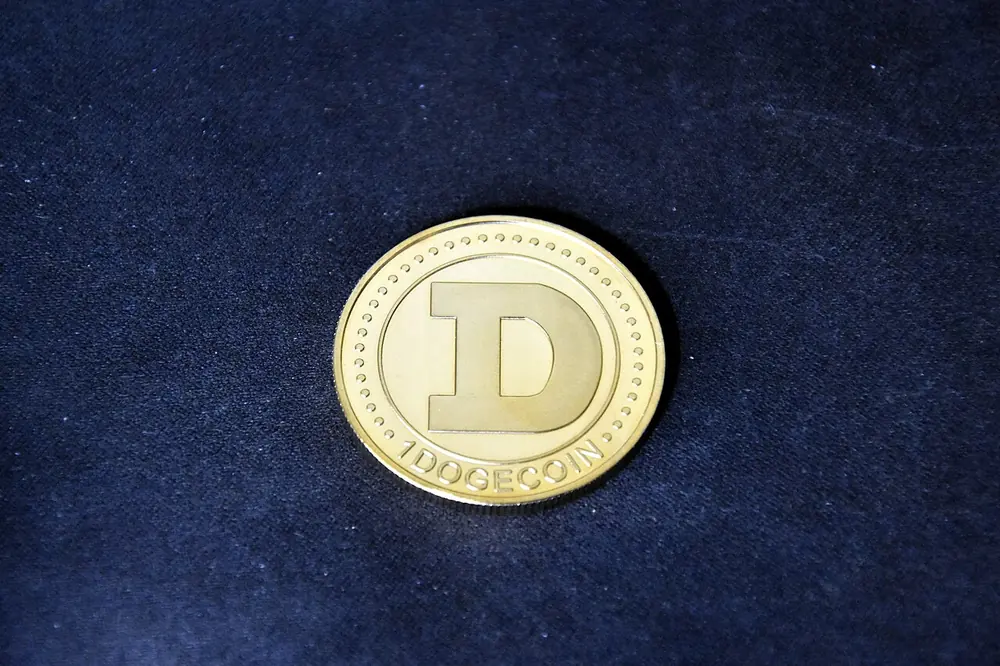
You've probably seen the ads: "gamble with crypto, no KYC, no ID, instant withdrawals." It sounds like freedom. My brother, before you send a single cedi's worth of USDT anywhere because of that promise, let me explain what "no KYC" actually means, what it doesn't mean, and where people in Ghana get burned.
This page is an explainer, not a how-to. I won't tell you how to dodge ID checks, because that's how accounts get frozen and winnings disappear. What I will do is show you how these sites really work, so you can decide with your eyes open. 18+ only. The operator we mention, Cloudbet, holds a Curaçao licence and is not licensed by the Gaming Commission of Ghana.
18+. Crypto deposits. Cloudbet is licensed in Curaçao, not by the Gaming Commission of Ghana. Ad: we may earn a commission. Bet only what you can afford to lose.
First, what is KYC?
KYC stands for "know your customer". It's the process a financial or gambling company uses to confirm who you are: your name, your age, where you live, and sometimes where your money comes from. In practice it usually means uploading a photo ID (Ghana Card or passport), a proof of address, and taking a selfie or short video.
Why do companies do it? Three main reasons:
- Age checks. Gambling is for adults. KYC is how an operator proves it isn't taking bets from children.
- Anti-money-laundering rules. Licensing bodies, including offshore ones like Curaçao, expect operators to stop criminals from washing money through bets.
- Fraud and bonus abuse. One person opening ten accounts to farm welcome bonuses is a real problem for casinos, and KYC is the main tool to stop it.
So what does "no KYC" actually mean?
When a crypto casino advertises "no KYC", it almost never means "we will never ask for ID". What it usually means is something closer to this:
| What the ad says | What it usually means in the terms |
|---|---|
| No KYC | No ID needed to sign up or make small deposits |
| Instant withdrawals | Small withdrawals are fast, large ones may be reviewed |
| Anonymous play | Email-only registration, but the operator keeps the right to verify you at any time |
| No limits | Limits exist; they're just higher or less visible |
In other words, it's "KYC later", not "KYC never". The sign-up is light, the check comes when the money gets bigger or when something looks unusual.
A real example: Cloudbet's verification rules
Cloudbet is one of the better-known crypto operators, so it's a useful example. You can usually sign up and deposit crypto without uploading documents. But Cloudbet's terms (section 18.1.5 when we checked) say verification is required once your cumulative deposits reach US$2,200. On top of that, Cloudbet, like every licensed operator, keeps the right to ask for documents at any time, for example if a payment pattern looks odd or your details don't match.
So even at a site that people sometimes describe as "no KYC", the honest description is: light checks at the start, full checks once you pass a threshold or whenever compliance decides. Thresholds can change, so always read the current verification section in your account before relying on any figure.
The catch: KYC at withdrawal
Here's where Ghanaian players get hurt. The deposit goes in easily. You play, you win, maybe a nice amount. You request a withdrawal, and then the message comes: "Please verify your account." Until you do, your balance sits there. If you can't or won't provide documents, the operator's terms usually allow it to keep the account frozen or close it, and in some cases to void winnings.
That's why I tell people: if you're going to play anywhere, assume you will be asked for ID before your biggest withdrawal, and be ready for it. A site that truly never verifies anyone isn't a feature, it's a red flag. Ask yourself who else they're not checking, and what happens to your money if their licence is suspended.
Risks of sites that market themselves as "no KYC"
- Weak or fake licences. Some sites claim a licence they don't hold. Check the licence number against the regulator's own register, not just a logo in the footer.
- Frozen funds. As above, verification often appears exactly when you try to cash out.
- No complaint route in Ghana. An offshore operator isn't supervised by the Gaming Commission of Ghana, so local consumer protection doesn't apply to it.
- Scam clones. Fake versions of real casinos copy the design and steal deposits. Always type the address yourself instead of clicking links from WhatsApp or Telegram groups.
- Crypto is irreversible. There's no chargeback. If you send USDT to a scam site or the wrong network, it's usually gone.
- Gambling problems hide easily. Fast, private crypto deposits make it easy to lose track. That's a real danger, not a moral lecture.
Common myths about no-KYC crypto gambling
Myth 1: "Crypto is anonymous, so nobody can know it's me." Most blockchains are public ledgers. Every transaction from your exchange account to a casino address is recorded forever. The exchange where you bought the coins usually verified your identity already, so the trail starts with your name. Crypto is better described as pseudonymous than anonymous.
Myth 2: "No KYC means no rules." The operator's terms still apply in full: one account per person, no use of someone else's payment method, age limits, country restrictions and bonus rules. Breaking them can still get the account closed, whether or not you uploaded ID.
Myth 3: "If they didn't check me at sign-up, they can't check me later." They can, and the terms almost always say so. Verification at withdrawal is the normal pattern, not the exception.
Myth 4: "No-KYC sites pay faster." Small crypto withdrawals are fast at many operators, verified or not. Large ones get reviewed everywhere. Speed comes from the payment method and the operator's processes, not from skipping identity checks.
Light verification vs full verification, side by side
| Light (email-only) account | Fully verified account | |
|---|---|---|
| Sign-up time | A couple of minutes | Same, plus document upload |
| Deposit limits | Often capped | Higher |
| Big withdrawals | Likely to trigger a document request | Usually smoother |
| Risk of frozen balance | Higher if you can't provide documents | Lower |
| Data shared with operator | Email, IP, device, payment trail | All of that plus ID documents |
Notice the last row. Even a "no KYC" account collects data about you: your email address, your device, your IP address and your blockchain transactions. The difference is only whether ID documents are added on top.
If you're worried about sharing your ID
That worry is fair. Data leaks happen. A few things reduce the risk without breaking any rules:
- Only upload documents through the operator's official verification page while logged in, never by email or chat to someone who contacted you first.
- Check that the site address is correct and uses HTTPS before uploading anything.
- Read the operator's privacy policy to see which verification provider it uses and how long it keeps documents.
- Use a strong, unique password for each account, ideally with a password manager.
- If a site's privacy policy is missing or vague, treat that as a reason not to play there at all.
18+. Crypto deposits. Cloudbet is licensed in Curaçao, not by the Gaming Commission of Ghana. Ad: we may earn a commission. Bet only what you can afford to lose.
From mobile money to crypto: the Ghana angle
Most Ghanaian players fund crypto through mobile money, either on a local exchange or through P2P trades. Keep the trade inside the platform's escrow, only deal with sellers who have a long history and good ratings, and make sure the name on the MoMo account matches the seller's verified name. Never release funds or mark a payment as complete outside the platform. The exchange you use will have done its own KYC on you already, which is one more reason the "anonymous" pitch doesn't really hold.
What Ghana's law says
In Ghana, gambling is regulated by the Gaming Commission of Ghana under the Gaming Act, 2006 (Act 721). Licensed local operators must verify their customers, apply age checks and pay the applicable taxes. Offshore crypto sites, including Cloudbet with its Curaçao licence, are not licensed by the Commission.
What this means for you is simple: if something goes wrong with an offshore site, you can't take your complaint to the Commission. Your only protection is the operator's own terms and whatever its foreign regulator offers. And remember that winnings may have tax consequences in Ghana regardless of where you played. If you're unsure, talk to a tax professional.
Why verifying early is usually the smarter play
This sounds backwards on a page about no-KYC gambling, but hear me out. If you decide to use a crypto operator, getting verified early, before you have a big balance, is usually the least stressful path:
- Your account details match your Ghana Card or passport from day one.
- When you win, the withdrawal goes through without a sudden document request.
- You avoid the panic of uploading blurry photos at midnight while your winnings are on hold.
- You know your account is in good standing under the operator's terms.
Documents that are commonly accepted by international verification systems include a passport or the Ghana Card for ID, and a recent utility bill or bank statement for proof of address. Make sure the name and address on your account match the documents exactly.
Crypto deposits: the basics
If you do use a crypto operator, a few rules protect your money whatever the KYC policy:
- Buy crypto through a reputable exchange or P2P market in your own name, paying with your own mobile money or bank account.
- Copy the deposit address with the copy button. Never type it by hand, and check the first and last characters.
- Use exactly the network shown next to the deposit address (for USDT that might be TRC-20 or ERC-20; they are not interchangeable).
- Send a small test amount first.
- Keep the transaction ID (TXID) until the deposit is credited.
Protecting your wallet and accounts on public Wi-Fi
If you hold crypto and have accounts at an exchange and a betting site, those logins are worth protecting. Café, hotel, campus and airport Wi-Fi networks in Accra, Kumasi or anywhere else are shared, and on a badly secured network someone can try to snoop on traffic or redirect you to a fake login page. Good habits: turn on two-factor authentication on your email, exchange and betting accounts; never type your seed phrase into any website; check the address bar carefully before logging in; and avoid moving funds while on an open network if you can.
Extra privacy on shared networks: a VPN encrypts the connection between your phone or laptop and the internet, which helps protect your logins and wallet activity on public Wi-Fi. If you want one, NordVPN is a well-known option. Ad: we may earn a commission.
Red flags checklist
Walk away from any site that:
- Promises it will "never" ask for ID under any circumstances.
- Shows no licence number, or a number you can't find on the regulator's register.
- Has no clear terms on withdrawals, limits and verification.
- Pushes you to deposit through a "manager" on WhatsApp or Telegram.
- Offers bonuses that look too good to be true with no wagering terms shown.
- Has a flood of recent complaints about withdrawals being stuck "pending verification" for weeks.
Questions to ask before you deposit anywhere
- Who holds the licence, and can I verify it? Look up the licence number on the regulator's own website.
- What does the verification section of the terms say? Find the exact threshold or trigger, in writing.
- What are the withdrawal limits per day, per week and per month, before and after verification?
- Which networks are supported for deposits and withdrawals of my coin?
- Is there a real support channel, like live chat on the official site, with a ticket or case number?
- What happens to my balance if the account is closed? Good terms explain how remaining funds are returned.
If you can't find clear answers to these in ten minutes of reading, that tells you something too. A serious operator makes its rules easy to find, because disputes cost it money as well. Screenshot the key sections of the terms on the day you sign up, with the date visible, so you have a record if the rules change later and a dispute comes up.
And one more honest point: if the main reason you want a no-KYC site is that a licensed site already limited or excluded you, that's worth pausing on. Self-exclusion and limits exist to protect people, and getting around them usually makes things worse, not better.
Keep it fun, keep it small
Crypto makes gambling fast and private, and that's exactly why limits matter. Decide a monthly amount you can lose without touching rent, school fees or chop money, and stop when it's gone. If gambling starts to feel like a problem for you or someone close to you, call the Mental Health Authority toll-free line 0800 678 678 or 0800 454 545. It's free and confidential.
My take
"Gamble with crypto, no KYC" is mostly marketing for "sign up fast, verify later". Even well-known crypto operators like Cloudbet verify once you pass a threshold (US$2,200 in cumulative deposits under its terms) or whenever they need to. The safest mindset for a Ghanaian player is to expect verification, keep your account details honest and matching your documents, protect your wallet and logins, and remember that offshore sites aren't licensed by the Gaming Commission of Ghana.
Questions punters ask
Can you really gamble with crypto without KYC?
Usually only at the start. Most crypto operators let you sign up and make small deposits without ID, but they verify once you pass a threshold or when you withdraw.
Does Cloudbet require KYC?
Yes. Under its terms verification is required once cumulative deposits reach US$2,200, and Cloudbet can ask for documents at any time.
Are no-KYC casinos legal in Ghana?
Offshore crypto casinos are not licensed by the Gaming Commission of Ghana, so they operate outside Ghana's licensing system and you have no local complaint route.
What documents are usually accepted from Ghana?
Commonly a passport or Ghana Card as ID, and a recent utility bill or bank statement as proof of address.
Where can I get help with gambling?
Call the Mental Health Authority toll-free on 0800 678 678 or 0800 454 545.
18+. Crypto deposits. Cloudbet is licensed in Curaçao, not by the Gaming Commission of Ghana. Ad: we may earn a commission. Bet only what you can afford to lose.
If betting is causing you stress or money trouble, help is free. The Mental Health Authority's toll-free line is 0800 678 678. For self-exclusion or complaints about a licensed operator, call the Gaming Commission of Ghana toll-free on 0800 454 545 (or 027 469 8935). Source: gamingcommission.gov.gh.