How to Bet on the Super Bowl from Ghana: Spreads, Moneylines, Totals, Props, Late-Night Timing and a Cedi Plan
Welcome bonus for new players + fast crypto payouts. Just helping a brother out.
18+. Crypto deposits. Cloudbet is licensed in Curaçao, not by the Gaming Commission of Ghana. Ad: we may earn a commission. Bet only what you can afford to lose.
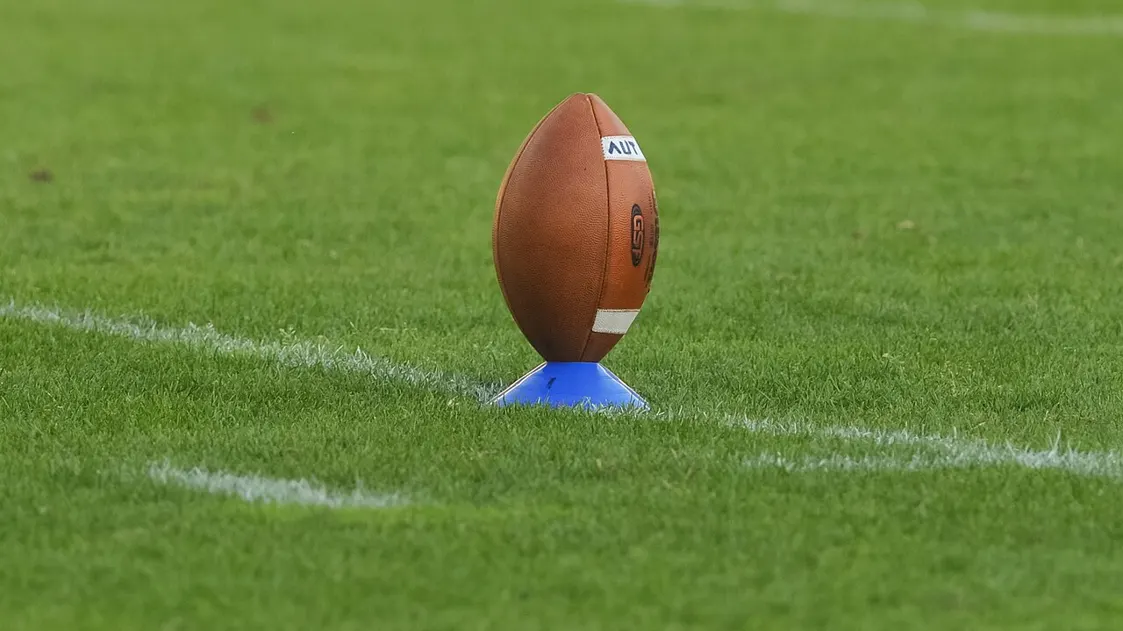
My brother, once a year even people who never watch American football stay up past midnight for the Super Bowl. It's the biggest single game in American sport, and the betting menu is enormous: point spreads, totals, hundreds of props, coin toss bets, even bets on the halftime show. If you're in Ghana and you want to join in, there are a few extra things to think about: the game starts around midnight your time, the odds are often shown in a strange American format, and the rules of the sport are nothing like football as we know it. This guide walks you through all of it, the way I'd explain it to a friend in Accra or Kumasi who wants to put a few cedis on the big game without losing his head.
18+ only. This is general information, not a promise of profit. Betting in Ghana is regulated by the Gaming Commission of Ghana under the Gaming Act 2006 (Act 721). Cloudbet, the crypto sportsbook we link to, holds a Curaçao licence and is not licensed by the Gaming Commission of Ghana, so think about that before you sign up anywhere.
The quick version
- The Super Bowl is the championship game of the NFL, the top American football league. It's usually played on a Sunday in February in the United States.
- Kick-off is usually in the US evening, which is close to midnight in Ghana. The game runs past 3 a.m. Ghana time, so plan your sleep and your Monday.
- The main bets are the point spread, the moneyline (match winner) and the total points. Then come hundreds of props on players, teams and novelty events.
- Learn to read American odds such as −110 and +150, or switch your bookmaker to decimal odds.
- Final margins of 3 and 7 points are especially common because of how scoring works. That makes a half-point around those numbers matter a lot.
- Props and parlays carry bigger margins than the main markets. Keep those stakes small.
- Set a fixed budget for the night, use flat stakes, and decide your bets before kick-off so you're not betting tired at 2 a.m.
American football in five minutes
If you grew up on football with your feet, American football can look confusing. Here's what you need to know for betting.
- Two teams of eleven players on the field at a time. One team attacks (the offence), the other defends.
- The game has four quarters of 15 minutes of playing time. The clock stops often, so a game takes over three hours in real time. The Super Bowl takes longer because of the extended halftime show.
- The offence has four attempts, called downs, to move the ball 10 yards. If it succeeds, it gets four more downs. If not, it usually kicks the ball away (a punt) or tries a field goal.
- A touchdown (carrying or catching the ball in the end zone) is worth 6 points. After a touchdown the team tries an extra kick for 1 point, or a riskier play for 2 points.
- A field goal (kicking the ball through the posts) is worth 3 points.
- A safety (tackling the attacking team in its own end zone) is worth 2 points to the defence. It's rare.
- If the scores are level after four quarters, the game goes to overtime. The NFL has changed its overtime rules in recent seasons, so check the current rules, and check whether your bookmaker includes overtime in each market. Most books include it for spread and totals, but read the rules.
The part that matters most for betting: points usually come in chunks of 3 and 7. A touchdown plus extra point is 7. A field goal is 3. That's why final scores like 24-21, 27-20 and 23-20 are so common, and why a margin of exactly 3 or 7 points comes up much more often than, say, 5.
What time is the Super Bowl in Ghana?
Ghana is on GMT all year. The Super Bowl usually kicks off in the US early evening on the East Coast, which is around 11:30 p.m. Ghana time on Sunday night. Always check the official start time for the year, because broadcasters set it. With pre-game ceremonies, a longer than normal halftime break and plenty of stoppages, the final whistle often comes around 3 to 4 a.m. Ghana time on Monday.
That timing matters for your betting:
- Pre-match prices are set long before kick-off, so you can place your main bets in the afternoon or evening while you're fresh.
- Live betting happens in the middle of the night, when you're tired. Tired betting is bad betting.
- If you have work or school on Monday, decide in advance whether you'll watch the whole game or check the result in the morning.
Reading American odds (and converting them)
Many sportsbooks show NFL odds in American format, even for players outside the US. It looks scary but it's simple.
- A minus number, such as −150, tells you how much you must stake to win 100. So −150 means stake 150 to win 100 profit. In decimal odds that's 1.67.
- A plus number, such as +130, tells you how much you win from a 100 stake. So +130 means stake 100 to win 130 profit. In decimal that's 2.30.
Here are common prices converted to decimal odds and the implied chance they represent:
| American odds | Decimal odds | Implied chance |
|---|---|---|
| −300 | 1.33 | 75.0% |
| −200 | 1.50 | 66.7% |
| −150 | 1.67 | 60.0% |
| −110 | 1.91 | 52.4% |
| +130 | 2.30 | 43.5% |
| +170 | 2.70 | 37.0% |
| +250 | 3.50 | 28.6% |
The conversion rules: for minus odds, decimal = 1 + 100 ÷ the number. For plus odds, decimal = 1 + the number ÷ 100. Most books let you switch the display to decimal in your settings, which is what you're used to from football betting in Ghana. Our guides on reading betting odds and what −250 means in betting go through it step by step, and the odds calculator converts formats for you.
The point spread: the main Super Bowl bet
In the US, the most popular Super Bowl bet isn't "who wins". It's the point spread. The bookmaker gives the favourite a handicap so that both sides are roughly equal bets.
Say Team A is −4.5 and Team B is +4.5, both at −110 (1.91 decimal).
- A bet on Team A −4.5 wins if Team A wins by 5 points or more.
- A bet on Team B +4.5 wins if Team B wins, or loses by 4 points or fewer.
It works just like an Asian handicap in football. If you know Asian handicaps, you already understand spreads.
What −110 on both sides really means
When both sides are −110, the implied chances add up to 104.8%. That extra 4.8% is the bookmaker's margin. It means you have to win about 52.4% of your spread bets just to break even. Here's what that looks like per GH₵100 staked at −110:
| Your true win rate on spreads | Expected result per GH₵100 staked |
|---|---|
| 50.0% | −GH₵4.55 |
| 52.4% | about GH₵0 |
| 55.0% | +GH₵5.00 |
A coin-flip guesser loses about 4.5% of everything he stakes. Being slightly better than a coin flip is hard, especially on the Super Bowl, because it's the most heavily analysed game of the year.
Key numbers: why 3 and 7 matter so much
Because scores come in 3s and 7s, NFL games finish with a margin of exactly 3 or exactly 7 much more often than other margins. That's why spreads tend to sit at numbers like 2.5, 3, 3.5, 6.5, 7 and 7.5, and why prices change when a line moves across those numbers.
Practical consequences:
- Team A −2.5 is much better for an A backer than −3.5. If A wins by exactly 3, −2.5 wins and −3.5 loses.
- Underdog +3.5 is much better than +2.5 for the same reason.
- A whole-number spread like −3 can push. If A wins by exactly 3, a −3 bet is refunded. Check how your bookmaker settles pushes.
- When you see two books offering −2.5 and −3.5 on the same game, that difference is worth more than it looks.
From spread to win chance: a rough model
A common rule of thumb treats the final margin of an NFL game as roughly normally distributed around the spread, with a standard deviation of about 13 to 14 points. It ignores the key numbers, so it's only a rough guide, but it shows how a spread translates into a win chance. Using 13.5 points:
| Favourite's spread | Rough chance the favourite wins | Rough fair decimal moneyline |
|---|---|---|
| −1.5 | 54.4% | 1.84 |
| −3 | 58.8% | 1.70 |
| −4.5 | 63.1% | 1.59 |
| −6.5 | 68.5% | 1.46 |
| −7 | 69.8% | 1.43 |
| −10 | 77.1% | 1.30 |
The lesson: even a team favoured by a full touchdown loses outright about three times in ten. The Super Bowl is one game, and anything can happen in one game.
The moneyline: just pick the winner
The moneyline is the simple "who wins" bet, overtime included. There's no draw option at most books for the Super Bowl because overtime decides it, but read the rules.
If Team A is −200 (1.50) and Team B is +170 (2.70), the implied chances add up to 103.7%. Moneylines on big favourites often look tempting, but 1.50 means you risk GH₵100 to win GH₵50, and one upset wipes out the profit from two wins. Moneylines on underdogs pay well but lose most of the time. Neither is "better". What matters is whether the price beats your own estimate of the team's chance.
A useful trick: compare the moneyline with the spread using the table above. If the spread is −4.5 and the favourite's moneyline is much shorter than about 1.59 after allowing for margin, the spread may be the better way to back that team. If the moneyline is longer, it may be the better bet.
Total points (over/under)
The total is the combined score of both teams. If the line is 47.5, an over bet wins if the teams score 48 or more points between them, and an under bet wins on 47 or fewer. Totals usually include overtime.
Things that move Super Bowl totals:
- Offensive and defensive strength. Two strong offences tend to mean a higher line.
- Pace. Teams that run lots of plays create more scoring chances.
- Venue and weather. The Super Bowl is often played in a covered stadium or a warm city, so weather matters less than in a normal winter game, but check.
- Big-game nerves. Teams sometimes start cautiously. Many props and first-half totals reflect that.
- The long halftime. Players get extra rest, and coaches have more time to adjust. Its effect on scoring is debated, so don't build a strategy on it.
Just like spreads, totals have key numbers, although they're less sharp. Final combined scores cluster around certain values because of 3s and 7s. A half-point either side of a common total can matter.
Halves and quarters
Most books offer spreads, moneylines and totals for each half and each quarter. They're useful if you have a view on how the game will unfold, for example a team that usually starts slowly. But margins are usually a bit higher than on the full game, and quarters especially are very random. A single turnover can swing a quarter.
First-half bets have one real advantage for bettors in Ghana: they settle before the long halftime break, which is usually somewhere around 1 a.m. your time. If you know you won't stay up for the whole game, a first-half spread or total lets you have a bet that finishes while you're still awake. Just remember that the first-half line isn't simply half the full-game line. Teams often play differently in the first half, coaches make adjustments at the break, and late scoring when one team is chasing the game tends to land in the fourth quarter. Books price all of this, so treat first-half markets as their own bets, with their own homework, not as a shortcut.
Props: the Super Bowl's giant side menu
"Props" (proposition bets) are bets on something other than the final result. The Super Bowl has more of them than any other event. They fall into three groups.
Player props
These are bets on individual performances: passing yards, rushing yards, receptions, whether a player scores a touchdown, and so on. They need real knowledge of player roles and how the opponent defends. They also move a lot with team news, especially late injury reports.
Team and game props
Examples: which team scores first, the first scoring play type (touchdown or field goal), whether there's a safety, the longest touchdown, whether both teams score in every quarter, total field goals, and so on. These can be priced well if you think about how points come. For example, "first score is a field goal" depends on how teams play their opening drives.
Novelty props
This is where the Super Bowl is famous: the coin toss result, the colour of the drink poured on the winning coach, the length of the national anthem, what the halftime performers do. Availability depends on the bookmaker and the rules where it's licensed, and some books don't offer them at all.
Novelty bets are fun, but understand the maths. A coin toss is a true 50/50. At 1.91 on each side, the book has a 4.7% margin, so you expect to lose about GH₵4.50 for every GH₵100 you stake. At 1.95 each side, you'd expect to lose about GH₵2.50 per GH₵100. There's no skill, no edge, just margin.
Prop margins
Props usually carry a higher margin than the main markets. A yes/no prop priced at −150 and +120 adds up to about 105.4%, and many are higher. With dozens of props on your slip, those margins add up fast. Pick one or two props you've genuinely thought about, rather than a pile of guesses.
Parlays and same-game parlays
A parlay is what we call an accumulator: several bets combined, all must win. Super Bowl "same-game parlays" combine bets from the one game, for example Team A to win, over 47.5 points and a player to score a touchdown.
Two warnings:
- Margins stack. If every leg is a −110 bet with a fair 50% chance, the parlay pays less than it should, and the gap grows with each leg:
| Legs at −110 | Parlay pays (decimal) | Fair price at 50% per leg | Expected loss per stake |
|---|---|---|---|
| 2 | 3.64 | 4.00 | −8.9% |
| 3 | 6.96 | 8.00 | −13.0% |
| 4 | 13.28 | 16.00 | −17.0% |
| 6 | 48.40 | 64.00 | −24.4% |
- Same-game legs are linked. If Team A wins comfortably, it's more likely the total goes over and its main players have big games. Books know this and price same-game parlays with that link included, usually with extra margin. Don't assume the price is just the legs multiplied.
If you want a parlay for fun, keep it to two or three legs and a small stake. The accumulator calculator helps you see what you're really getting, and our guide to types of betting in Ghana explains accumulators and system bets.
Teasers
Some books offer teasers: parlays where you move the spread in your favour by a set number of points, usually 6, in exchange for a lower payout. For example, an underdog at +2.5 becomes +8.5, or a favourite at −7.5 becomes −1.5. Because of key numbers, moving a line across both 3 and 7 can be valuable, and moving it across neither is usually poor value. Teasers are a specialist bet. If you're new to American football, leave them alone until you understand spreads well.
Futures: betting on the Super Bowl winner months ahead
You don't have to wait for February. Books offer odds on which team will win the Super Bowl from before the season starts. These are called futures or outright bets.
Futures have big margins. In a made-up but typical-looking market of 32 teams, with prices from 5.00 for the favourite out to 501.00 for the longest shot, the implied chances add up to about 148%. That means a lot of the price goes to the bookmaker, and your money is tied up for months. Futures can be fun to follow over a season, but they're not where value usually lives for casual bettors. Our guide to betting on a tournament winner explains outright markets in more detail.
Once the two Super Bowl teams are known, usually about two weeks before the game, the main markets open with much lower margins.
Shopping for the best price
Different bookmakers often have slightly different Super Bowl prices. One might have Team A −3.5 at 1.91, another −3.5 at 1.95, a third −2.5 at 1.87. Those small differences look boring, but they add up. Here's the expected result of 20 bets of GH₵100 if you win 52% of them, at three different prices:
| Price per bet | Expected result after 20 bets of GH₵100 at a 52% win rate |
|---|---|
| 1.87 | −GH₵55.20 |
| 1.91 | −GH₵13.60 |
| 1.95 | +GH₵28.00 |
Same skill, same bets, three different outcomes, only because of price. If you have accounts at more than one site, compare before you bet. And remember the key numbers: a better line (−2.5 instead of −3.5) can be worth more than a better price on the same line.
Line movement in the two weeks before the game
The Super Bowl teams are usually decided about two weeks before the game, and the betting line opens almost straight away. Over those two weeks, it moves. Some movement comes from team news: an injured player returning, or a key player ruled out. Some comes from large bets by professional bettors. A lot comes from the general public, who tend to back favourites and overs.
What this means for you:
- If you have a strong view early and the line is on a good side of a key number, it can make sense to bet early, before it moves.
- If your view depends on team news, wait for the news.
- Don't follow a line move blindly. A line moving from −3 to −3.5 tells you money came in on the favourite, not that the favourite will cover.
- Write down the line when you bet and the line at kick-off. If you regularly beat the closing line, your judgement is probably decent, even if a single result goes against you.
Live betting at midnight
The Super Bowl is a good live-betting game in theory: many breaks in play, a long halftime and prices that update after every drive. In practice, from Ghana, you're betting at 1 or 2 a.m., often on a stream that runs behind the live action. Some tips:
- Use breaks, not plays. Bet between drives or at halftime, not during a play.
- Delays matter. A stream a few seconds behind the stadium means the price may already have moved. Books suspend markets during plays.
- Don't chase. If your pre-game spread bet is losing at halftime, adding a bigger live bet to "get it back" is how a GH₵100 night becomes a GH₵500 night.
- Remember the scoring chunks. A team down 10 points is only two scores behind. Big leads in American football aren't as safe as big leads in football.
- Set a cut-off time. For example, no new bets after halftime.
Our guide to live odds in Ghana covers live margins and delays in more depth.
18+. Crypto deposits. Cloudbet is licensed in Curaçao, not by the Gaming Commission of Ghana. Ad: we may earn a commission. Bet only what you can afford to lose.
Hedging a futures bet when your team makes the Super Bowl
Say you backed Team A to win the Super Bowl at the start of the season: GH₵50 at 21.00, a potential return of GH₵1,050. Now Team A is in the final. The moneyline is A 1.80 and B 2.10. You can let the bet ride, or hedge by betting on Team B to lock in a profit whatever happens.
- Full hedge: bet GH₵500 on B at 2.10. If A wins, you collect GH₵1,050 from the futures bet and lose the GH₵500 hedge, leaving GH₵500 profit after your original GH₵50. If B wins, the hedge returns GH₵1,050, and after the GH₵500 hedge stake and GH₵50 futures stake you also have GH₵500 profit. Locked in either way.
- Half hedge: bet GH₵250 on B. If A wins you're up GH₵750; if B wins you're up GH₵225.
- No hedge: using the moneyline with the margin removed, Team A's fair chance is about 53.8%, so the expected value of holding is about GH₵515, but with a 46% chance of ending with a GH₵50 loss.
The hedge gives up about GH₵15 of expected value in exchange for certainty. Whether that's worth it is a personal choice. If GH₵500 would make a real difference to your life, locking it in is perfectly sensible. Our guide to cash out and hedging explains the same idea for other bets.
Watching the game from Ghana
To follow your bets, you'll want a way to watch or track the game. Check which broadcasters in your region have the rights that year, and use legal streams or TV. Pirate streams are often far behind live, full of pop-ups and sometimes dangerous for your phone. A live score app or the bookmaker's own match tracker is enough if you only want to follow your bets. Data use matters too: a full Super Bowl broadcast with pre-game and halftime can run for more than four hours, so make sure your bundle can handle it.
Super Bowl squares and office pools
In the US, many people play "squares": a 10 by 10 grid where each square is tied to the last digit of each team's score at the end of each quarter. It's pure luck once the numbers are drawn, but some digits come up more often because of 3s and 7s, so squares like 0, 3 and 7 are more valuable than squares like 2 or 5. If friends in Ghana run a squares pool, enjoy it as a social game, and keep the entry small.
How to form your own opinion
You don't need to watch every NFL game of the season to have a sensible view on the Super Bowl. A few places to start:
- Season record and points difference. A team that scored many more points than it allowed is usually stronger than its win-loss record shows.
- Quarterback play. The quarterback touches the ball on almost every attacking play. His form and health matter more than any other single player.
- Injuries. Late injury news moves lines. Check the final reports before betting.
- Turnovers. Interceptions and fumbles swing games, but they're partly random. A team that won a lot of turnovers during the season may not keep doing it.
- Matchups. A strong passing attack against a weak pass defence matters more than general rankings.
- Market moves. If the line moves a lot during the two weeks before the game, ask why. It may be team news, or just public money.
Then, as always, write your own price first. If you think Team A wins 60% of the time, your fair moneyline is 1.67. Compare that with what's on offer. Our value betting guide explains why this habit matters so much.
Placing your first Super Bowl bet, step by step
- Check the site first. Know who licenses it, how deposits and withdrawals work, and whether it offers the markets you want. Read our guide to foreign betting sites in Ghana if you're thinking of an offshore book.
- Switch to decimal odds if you prefer. Most sites have an odds format option in the account or settings menu. It removes the risk of misreading −150 and +150.
- Deposit only your Super Bowl budget. Don't leave extra money in the account "just in case". Extra money in the balance tends to get bet.
- Find the game. Look under American football, then the NFL, then the Super Bowl. Futures may sit in a separate outrights section.
- Choose the market carefully. Full game or first half? Spread or moneyline? Over or under? Many mistakes happen here, with people clicking a first-half line when they meant the full game.
- Check the slip. Before confirming, read the market name, the line, the price, the stake and the potential return. If the price changed, the slip usually tells you.
- Confirm and record. Take a screenshot or write it in your notebook with your reasons.
- Settle and withdraw. After the game, check the bet settled correctly. If you won, consider withdrawing at least part of it rather than leaving it for the next game.
That's it. Simple steps, done calmly, prevent most of the expensive mistakes people make on Super Bowl night.
Common mistakes Ghanaian bettors make on the Super Bowl
- Reading −150 as "1.50". −150 is 1.67 in decimal odds. +150 is 2.50. Check the format before you stake.
- Treating it like a football match. There's normally no draw, scores come in 3s and 7s, and big comebacks are common.
- Backing the favourite because it's "the better team". The spread already reflects that. The question is whether it's better by more than the spread says.
- Piling into props. Ten small prop bets with 6% to 10% margin each add up to a big expected loss.
- Big same-game parlays. They look like a cheap way to win big. They're one of the most expensive bets on the menu.
- Betting tired. Live bets at 2 a.m., after a long day, are rarely good decisions.
- Ignoring overtime rules. Check how each market treats overtime before you bet.
Settlement rules to read
Every bookmaker writes its own rules. For the Super Bowl, check:
- Whether spreads, moneylines and totals include overtime (most do, but confirm).
- How pushes on whole-number lines are settled.
- For player props, what happens if a player doesn't play or leaves injured.
- For novelty props, which source decides the result, for example the official broadcast.
- Whether bets stand if the game is delayed or moved.
A simple Super Bowl night plan in cedis
Here's how I'd approach the night if I wanted to bet without regrets:
- Set a budget for the whole night. For example GH₵200, money you can afford to lose completely. Write it down.
- Do your main bets in the afternoon. One spread or moneyline bet and one total, at most. Say GH₵50 each.
- Add one or two props you've thought about. Small stakes, say GH₵20 each.
- Keep the rest for halftime, or not at all. If you do bet at halftime, one bet, decided calmly during the break.
- No new money after kick-off. If the budget is gone, you're done. Watch and enjoy.
- Record everything. Bet, price, stake, result. Next year you'll know whether your Super Bowl betting is any good.
Even this careful plan has a cost. Four bets of GH₵25 at −110 where you're really just 50/50 are expected to lose about GH₵4.55 in total. That's the price of the entertainment. It only gets expensive when you start chasing. Our bankroll management guide covers staking in more depth.
A worked example
Let's use a made-up Super Bowl: Team A against Team B.
- The market. Team A −3.5 at −110, Team B +3.5 at −110. Moneyline A −170 (1.59), B +145 (2.45). Total 48.5, both sides −110.
- Your view. You've looked at both teams' seasons and think A wins about 60% of the time, and that the game is likely to be close. Using the rough model, a 60% chance is about the same as a 3-point favourite.
- Spread decision. The market says A by 3.5. You think about A by 3. Because 3 is a key number, B +3.5 covers if A wins by exactly 3. That's a real advantage for B backers. You decide a small flat bet on B +3.5 is reasonable.
- Moneyline check. Your 60% for A means fair odds of 1.67 for A and 2.50 for B. The book offers 1.59 and 2.45, both a little shorter than your fair prices. No moneyline bet.
- Total. You have no strong view on the total. You pass. Not having an opinion is a perfectly good reason not to bet.
- Props. You like "first score is a field goal" because you expect cautious opening drives, but only if the price is generous. You check and decide the price is too short. Pass.
- Result. One bet on the main game, recorded with your reasoning. Whatever happens, you go to bed at a sensible hour.
Funding Super Bowl bets from Ghana: MoMo and crypto
Many bookmakers licensed by the Gaming Commission of Ghana offer the Super Bowl's main markets with cedi stakes and mobile money. The prop menu is often shorter than at international books. Offshore crypto sportsbooks like Cloudbet typically list a wide range of NFL markets, including many props, but Cloudbet is licensed in Curaçao and not by the Gaming Commission of Ghana, so you don't get local regulatory protection.
If you fund with crypto, remember that price swings and network fees are part of the cost. A stablecoin such as USDT keeps your Super Bowl budget steady in dollar terms; bitcoin can move several percent overnight, which is a lot when the game ends at 4 a.m. Our guides to crypto deposits at betting sites and crypto withdrawals explain the process, and MTN MoMo betting covers mobile money. Before using any site, read our guides on whether betting is legal in Ghana and foreign betting sites in Ghana.
Other American sports you might try
If the Super Bowl gets you interested, many of the same ideas work for college football and basketball. Our guides on college football betting and NBA betting from Ghana use spreads and totals in much the same way. College football has bigger spreads and more mismatches. Basketball has much higher scores and fewer key numbers.
Super Bowl betting myths
- "The favourite always covers in the big game." No pattern like that holds reliably. Spreads are set to split opinion, and the Super Bowl has plenty of upsets and close finishes.
- "The halftime show length predicts the second half." There's no reliable link that you can bet on.
- "Coin toss winners win the game." The toss decides who receives first; it doesn't decide the result. As a bet, it's a pure 50/50 with a margin.
- "Props are where the easy money is." Props can be softer than the main lines, but they also carry higher margins and need specialist knowledge.
- "A big parlay is a cheap lottery ticket." It's a cheap way to lose a bigger share of your stake, as the parlay table shows.
- "Experts know who will win." The Super Bowl is one game between two good teams. Even sharp bettors lose plenty of Super Bowl bets.
Tax on Super Bowl winnings in Ghana
According to the Ghana Revenue Authority, the Income Tax (Amendment) Act 2025 (Act 1129) removed the 10% withholding tax on betting winnings from 2 April 2025. Winnings can still form part of your income for your annual tax return, so keep records of deposits, withdrawals and big wins. Our sports betting tax guide for Ghana has more detail.
A glossary for Super Bowl bettors
- Spread (line): the handicap that makes both teams roughly equal bets.
- Moneyline: a bet on who wins, overtime included.
- Total (over/under): combined points scored by both teams.
- Push: a bet that lands exactly on the line and is refunded.
- Juice or vig: the bookmaker's margin, for example the −110 on each side of a spread.
- Prop: a bet on something other than the final result.
- Parlay: an accumulator of several bets that must all win.
- Teaser: a parlay where you move the spreads in your favour for a lower payout.
- Key numbers: common final margins, especially 3 and 7.
- Futures: bets on outcomes decided later, such as the season's champion.
- Turnover: in American football, losing the ball to the other team through an interception or fumble. Not the same as betting turnover.
Quick checklist before your Super Bowl bets
- Do I know the kick-off time in Ghana and when I'll stop betting?
- Have I converted the American odds correctly?
- Do I understand how the spread works, and where the key numbers sit?
- Did I write my own price before looking at the odds?
- Have I checked whether markets include overtime?
- Are my props and parlays small, and few?
- Is my total spend for the night fixed and written down?
- Will I still be happy with my decisions at 4 a.m.?
Bet responsibly
The Super Bowl is a party, and parties make it easy to spend more than you planned. Late nights and live markets make it worse. Set a budget, stick to flat stakes and stop when you said you would. If betting stops being fun or causes stress, talk to someone. The Mental Health Authority's free line is 0800 678 678, and the Gaming Commission of Ghana can be reached on 0800 454 545 about self-exclusion and complaints. More help is on our responsible gambling page.
Questions punters ask
Can I bet on the Super Bowl from Ghana?
Yes. Many bookmakers licensed by the Gaming Commission of Ghana offer the main Super Bowl markets, and offshore crypto books like Cloudbet list more markets. Cloudbet is licensed in Curaçao, not by the Gaming Commission of Ghana.
What time does the Super Bowl start in Ghana?
Usually around 11:30 p.m. Ghana time on the Sunday, since Ghana is on GMT and kick-off is in the US evening. Check the official start time each year. The game often ends around 3 to 4 a.m.
What does −110 mean in Super Bowl betting?
It means you stake 110 to win 100 profit, which is 1.91 in decimal odds. When both sides of a spread are −110, you need to win about 52.4% of bets to break even.
What is the point spread in the Super Bowl?
It's a handicap on the favourite. If Team A is −4.5, it must win by 5 or more for an A bet to win. Team B +4.5 wins if B wins or loses by 4 or fewer.
Why are 3 and 7 key numbers?
Field goals are worth 3 points and a touchdown with extra point is worth 7, so NFL games end with a margin of exactly 3 or 7 more often than other margins.
Are Super Bowl prop bets worth it?
They can be fun, but props usually carry higher margins than the main markets and novelty props like the coin toss are pure chance. Keep stakes small.
18+. Crypto deposits. Cloudbet is licensed in Curaçao, not by the Gaming Commission of Ghana. Ad: we may earn a commission. Bet only what you can afford to lose.
If betting is causing you stress or money trouble, help is free. The Mental Health Authority's toll-free line is 0800 678 678. For self-exclusion or complaints about a licensed operator, call the Gaming Commission of Ghana toll-free on 0800 454 545 (or 027 469 8935). Source: gamingcommission.gov.gh.